

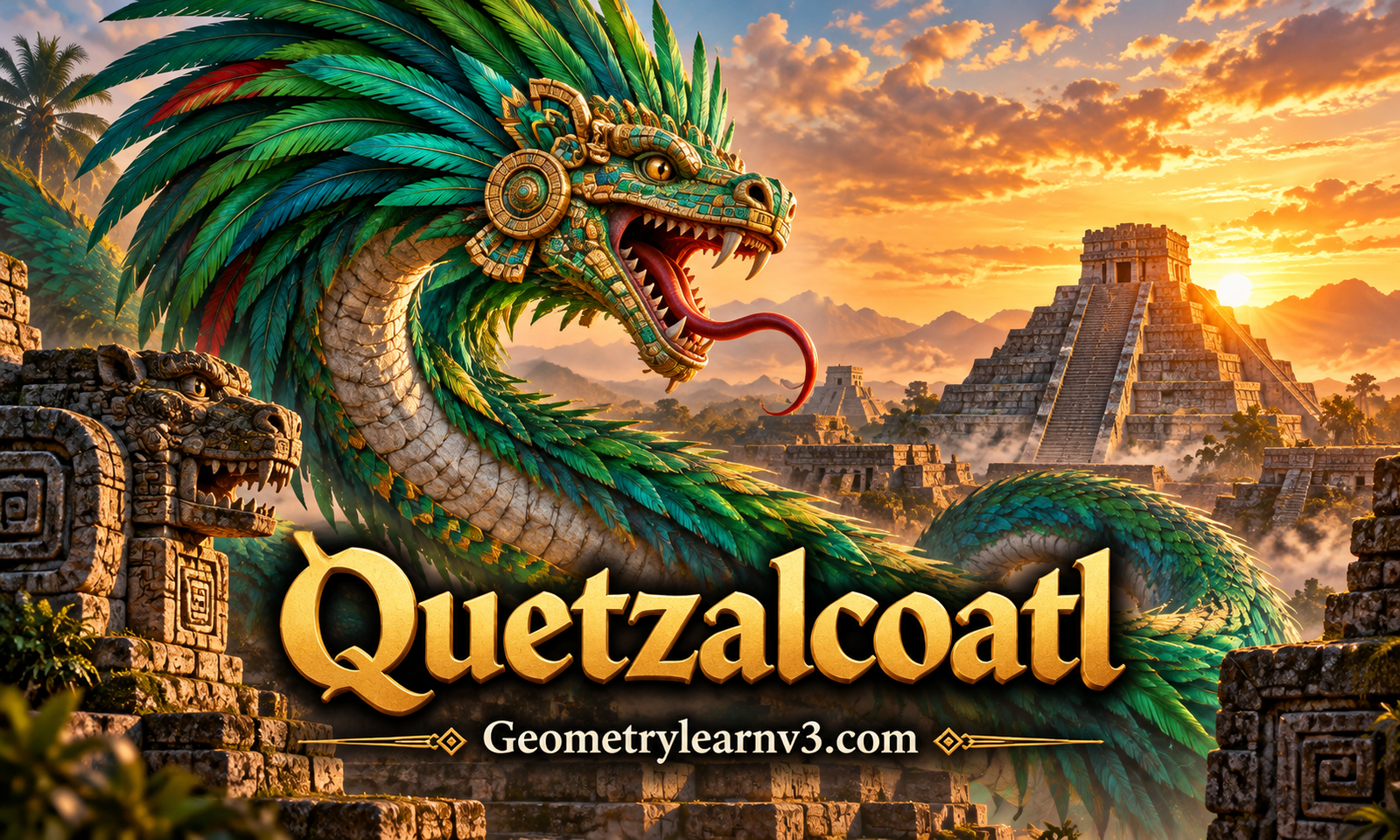
Quetzalcoatl is one of the most fascinating and influential figures in ancient Mesoamerican mythology. Known as the Feathered Serpent, this legendary deity played an important role in the religious beliefs, cultural traditions, and stories of civilizations such as the Aztecs, Toltecs, and other Mesoamerican societies. His mythology combines ideas of creation, wisdom, nature, astronomy, and the relationship between humans and the divine world.
The name Quetzalcoatl continues to attract interest because it represents much more than a simple mythological character. The Feathered Serpent symbol reflects a connection between the sky and the earth, combining the beauty of a bird with the strength of a serpent. Ancient traditions described Quetzalcoatl as a god of wind, knowledge, agriculture, and civilization, making him one of the most respected figures in ancient American history.
What Does Quetzalcoatl Mean?
The meaning of Quetzalcoatl comes from the Nahuatl language, which was spoken by the Aztecs and many other communities in ancient Mexico. The name is created from two important words: “quetzal,” referring to the colourful quetzal bird with beautiful feathers, and “coatl,” meaning serpent or snake. Together, these words create the meaning “Feathered Serpent” or “Plumed Serpent.”
The symbolism behind this name is deeply connected to ancient Mesoamerican beliefs. The bird represented the heavens, spiritual power, and higher knowledge, while the serpent represented the earth, transformation, and physical existence. The combination showed balance between different forces of nature. This powerful symbolism helped make Quetzalcoatl one of the most important and recognisable deities in Mesoamerican mythology.
Who Was Quetzalcoatl in Aztec and Mesoamerican Mythology?
Quetzalcoatl was a major deity in Aztec mythology, but his influence extended beyond the Aztec Empire. Various Mesoamerican cultures developed their own versions of the Feathered Serpent tradition, often connecting him with creation, wisdom, fertility, and civilization. His importance changed across different regions and time periods, showing how myths evolved between cultures.
The Aztecs viewed Quetzalcoatl as a powerful and beneficial god associated with knowledge and human development. The Toltecs also considered him an important cultural figure connected with learning and leadership. Similar figures appeared among the Maya, including Kukulkan and Gukumatz, who shared characteristics with the Feathered Serpent concept. These connections demonstrate the widespread influence of Quetzalcoatl throughout ancient Mesoamerica.
Quetzalcoatl as the Feathered Serpent God
The image of Quetzalcoatl as the Feathered Serpent represents one of the most powerful symbols in ancient Mesoamerican art and religion. The combination of feathers and serpent features represented the meeting point between the spiritual world and the physical world. This image showed that different forces of nature could exist together in balance and harmony.
As the Feathered Serpent God, Quetzalcoatl was connected with many important aspects of life. Ancient traditions associated him with wind, rain, fertility, agriculture, creativity, and knowledge. Unlike some other deities connected primarily with warfare or destruction, Quetzalcoatl was often viewed as a teacher and creator who helped humans develop important skills and understand the world around them.
Quetzalcoatl Myths and Ancient Legends
One of the most famous stories about Quetzalcoatl involves the creation of humanity. According to certain Aztec traditions, Quetzalcoatl travelled to the underworld known as Mictlan to recover the bones of previous generations. Through a process involving sacrifice and transformation, these bones were used to help create the humans of the current era.
Another important legend describes Quetzalcoatl as a bringer of knowledge and civilization. Ancient stories credit him with teaching humans important skills such as agriculture, writing, mathematics, calendar systems, and artistic practices. These legends show his role as a cultural hero who helped improve human society by sharing wisdom and knowledge.
The story of Quetzalcoatl’s exile and return is another well-known myth. Some traditions describe a conflict between Quetzalcoatl and Tezcatlipoca, another powerful deity. According to these stories, Quetzalcoatl left his homeland and promised to return. Later historical interpretations connected this legend with Spanish conquest, although scholars continue to examine how much of this connection developed after the events occurred.
Quetzalcoatl and His Connection to Venus, Wind, and Creation
Quetzalcoatl had a strong relationship with astronomy, especially the planet Venus. Ancient Mesoamerican civilizations carefully observed celestial movements, and Venus was considered an important symbol connected with cycles of change and renewal. Quetzalcoatl was often associated with Venus as both the morning star and evening star, representing movement between different states of existence.
In his form as Ehécatl, the wind aspect of Quetzalcoatl, he represented the life-giving power of air. Wind was important for agriculture because it helped bring weather changes and supported natural growth. This connection made Quetzalcoatl a significant figure in beliefs about fertility, creation, and the continuation of life.
Quetzalcoatl Symbols and Ancient Representations
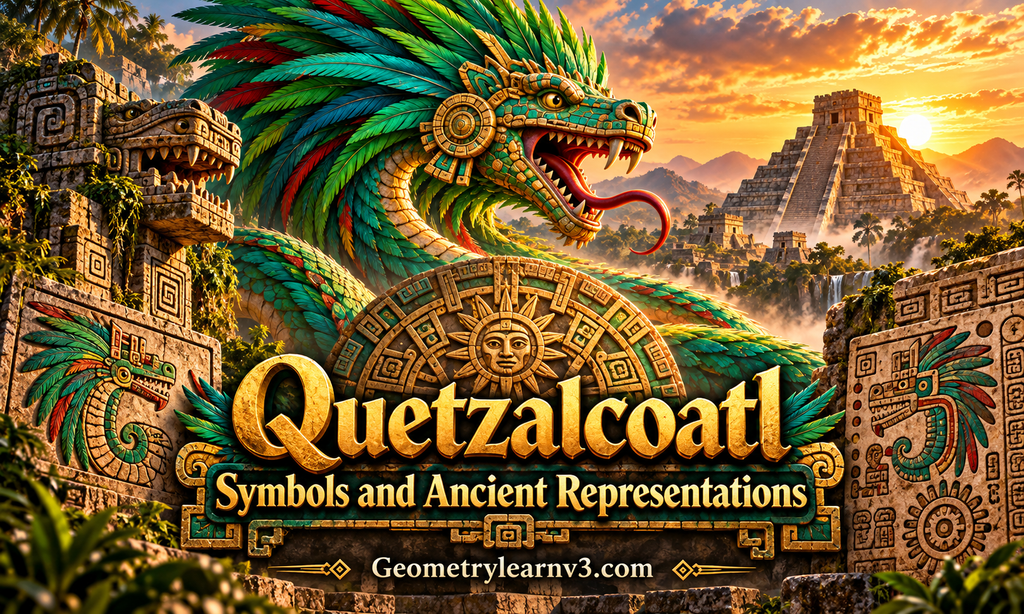
Ancient Mesoamerican artists represented Quetzalcoatl through sculptures, temple carvings, paintings, and religious artwork. The Feathered Serpent design became one of the most recognisable symbols in the region. These images often showed a powerful serpent covered with feathers, representing divine energy, wisdom, and the connection between different worlds.
Important archaeological locations connected with Quetzalcoatl include Teotihuacan, Cholula, and Tula. These sites contain artwork and structures that demonstrate the importance of the Feathered Serpent tradition. The Temple of the Feathered Serpent at Teotihuacan is one of the most famous examples, showing how deeply this deity influenced ancient architecture and religious expression.
Quetzalcoatl in Different Mesoamerican Cultures
Although Quetzalcoatl is strongly connected with the Aztec civilization, the Feathered Serpent idea existed throughout Mesoamerica for centuries. Different cultures developed their own versions of this figure while maintaining similar themes of creation, knowledge, and natural forces.
Among the Maya, related figures included Kukulkan and Gukumatz. These deities shared similarities with Quetzalcoatl, especially their connection with serpents, wisdom, and creation. While the names and specific stories varied between cultures, the Feathered Serpent remained a powerful symbol representing the relationship between humans, nature, and the universe.
Historical Influence and Modern Interest in Quetzalcoatl
The influence of Quetzalcoatl continues to be studied by historians, archaeologists, and researchers interested in ancient Mesoamerican civilizations. Ancient temples, manuscripts, artwork, and archaeological discoveries provide important information about how people understood this deity and his role in their societies.
Today, Quetzalcoatl appears in books, documentaries, museums, artwork, and popular culture. His mythology continues to inspire curiosity because it combines fascinating stories about creation, astronomy, spirituality, and human development. Modern interest in Quetzalcoatl also helps people learn more about the achievements and beliefs of ancient Mesoamerican civilizations.
Conclusion
Quetzalcoatl remains one of the most important and memorable figures in Mesoamerican mythology. As the Feathered Serpent God, he represented knowledge, creation, wind, agriculture, and the connection between the earth and the heavens. His stories reveal how ancient civilizations used mythology to explain human origins, natural forces, and the importance of wisdom.
The legacy of Quetzalcoatl continues because his symbolism and legends provide valuable insight into ancient cultures. From his connection with Venus to his role as a teacher and creator, Quetzalcoatl represents the creativity and imagination of Mesoamerican societies. His story remains an important part of world mythology and historical study.
Frequently Asked Questions
Who was Quetzalcoatl?
Quetzalcoatl was a major Mesoamerican deity known as the Feathered Serpent God associated with creation, wind, knowledge, and civilization.
What does Quetzalcoatl mean?
Quetzalcoatl means Feathered Serpent, combining the Nahuatl words for quetzal bird and serpent.
Was Quetzalcoatl an Aztec god?
Yes, Quetzalcoatl was an important Aztec deity, although similar Feathered Serpent traditions existed among other Mesoamerican cultures.
What was Quetzalcoatl the god of?
Quetzalcoatl was associated with wind, creation, knowledge, agriculture, learning, and the planet Venus.
Is Quetzalcoatl a real person or a mythological figure?
Quetzalcoatl is considered a mythological deity, although some historical traditions connected rulers and cultural figures with his name.
You May Also Read: How Long Is a Marathon