


The American electric vehicle industry is facing an unusual contradiction. While overall EV demand struggles with changing government incentives and uncertain consumer confidence, one manufacturer has reported record-breaking deliveries. Rivian Automotive delivered 19,248 vehicles during the third quarter of 2026, exceeding market expectations and drawing fresh attention to its expanding vehicle lineup.
The latest rivian news centres on the R2 SUV, rising production volumes, financial challenges, and ambitious plans for autonomous driving. For prospective buyers, investors, and automotive enthusiasts, these developments raise an important question: can Rivian turn its growing popularity into a sustainable, profitable business?
Latest Rivian News: Record Deliveries in October 2026
Rivian reported its strongest quarterly delivery performance on 2 October 2026, marking an important milestone for the California-based electric vehicle manufacturer. During the third quarter, the company produced 19,751 vehicles at its Normal, Illinois, manufacturing facility and delivered 19,248 vehicles to customers. Deliveries increased approximately 45% compared with the same period in 2025, while production rose by approximately 85%. These figures exceeded analysts’ delivery expectations of roughly 18,000 vehicles, demonstrating improving manufacturing momentum as the company introduces its more affordable R2 SUV.
Despite this encouraging performance, Rivian maintained its full-year delivery forecast of 65,000 to 70,000 vehicles. Investors had anticipated that strong quarterly results might prompt management to increase its guidance. Instead, the company’s cautious outlook contributed to a decline in its share price following the announcement. This reaction illustrates the difference between improving operational performance and satisfying financial market expectations. The next important milestone is Rivian’s third-quarter earnings announcement, scheduled for 29 October 2026, when investors will receive additional information about revenue, profitability, expenses, and cash consumption.
Rivian R2 SUV Is Driving a New Phase of Growth
The Rivian R2 represents one of the company’s most important product launches since its original R1T pickup and R1S SUV entered the market. Unlike those premium vehicles, the R2 targets a broader group of consumers looking for a practical electric SUV. Customer deliveries began in June 2026, and early sales have contributed to Rivian’s stronger production and delivery figures. The vehicle combines the company’s adventure-oriented identity with a smaller, more accessible platform designed to appeal to everyday drivers rather than exclusively to buyers of expensive electric trucks.
The latest rivian news suggests that the R2 could become central to the manufacturer’s long-term expansion. Rivian expects to deliver more than 25,000 R2 vehicles during the model’s first year, although achieving this objective depends on production efficiency and customer demand. The company has not publicly provided a complete model-by-model breakdown of its third-quarter deliveries, making independent estimates less reliable than official figures. Nevertheless, the broader increase in vehicle sales indicates that the R2 introduction has strengthened Rivian’s position during a difficult period for the American EV market.
Rivian R2 Pricing, Features, and Buyer Expectations
Affordability is a major part of the R2’s appeal, particularly because Rivian’s earlier vehicles occupy the premium end of the electric vehicle market. The company has designed the R2 around simplified manufacturing, fewer components, and more efficient production processes. According to its first-quarter 2026 investor presentation, Rivian expects the R2’s bill of materials to cost approximately half as much as the R1’s by the end of 2027. This target is significant because reducing manufacturing expenses can help support competitive vehicle pricing while improving potential profitability.
However, prospective buyers should distinguish advertised starting prices from the actual cost of a particular configuration. Battery selection, drivetrain, optional equipment, destination charges, taxes, and available inventory can all influence the final purchase price. Range estimates should also be evaluated against real driving conditions, including temperature, speed, terrain, and charging habits. Anyone considering an R2 should review current specifications on Rivian’s official website, confirm delivery estimates, and compare ownership costs with alternatives from Tesla, Hyundai, Kia, and other manufacturers before making a financial commitment.
Rivian Production Growth and the Illinois Factory Expansion
Rivian’s manufacturing facility in Normal, Illinois, has become the centre of its production strategy. Originally established as a former Mitsubishi automotive plant, the facility now supports multiple Rivian vehicle platforms. The manufacturer has invested in equipment upgrades and production improvements to accommodate R2 manufacturing alongside its existing electric trucks, SUVs, and commercial vehicles. These changes are intended to increase factory utilisation, improve operational efficiency, and distribute fixed manufacturing expenses across a larger number of vehicles.
The latest rivian news highlights why factory efficiency matters as much as vehicle demand. Rivian’s annual filing describes an installed production capacity of up to 215,000 vehicles at its Illinois facility, although this figure represents potential capacity rather than current output. Actual production depends on staffing, component availability, equipment performance, and operating schedules. The company has also identified low factory utilisation as a contributor to high per-vehicle manufacturing costs. Increasing output without compromising quality will therefore be essential to improving financial performance over the coming years.
Rivian Financial Results Reveal Progress and Challenges
Rivian’s second-quarter 2026 financial results showed encouraging revenue growth alongside continuing financial pressures. The company generated approximately $1.658 billion in quarterly revenue, representing a 27% increase compared with the corresponding period in 2025. It also reported consolidated gross profit of $179 million. These figures suggest that improvements in vehicle production, technology operations, and associated services are helping the business develop additional sources of revenue beyond individual vehicle sales. However, gross profit does not mean the company has achieved overall profitability.
SEC
Cash consumption remains an important concern. Rivian reported negative free cash flow of approximately $849 million during the second quarter, compared with negative $398 million a year earlier. Its annual adjusted EBITDA guidance remained between negative $2 billion and negative $1.8 billion. These figures reflect the financial demands associated with launching new vehicles, expanding production, and developing advanced technology. Investors following rivian news should therefore examine liquidity, operating expenses, capital expenditure, and automotive margins together rather than relying exclusively on revenue growth or headline delivery figures.
Volkswagen Partnership Strengthens Rivian’s Technology Strategy
Rivian’s relationship with Volkswagen Group extends beyond a conventional investment agreement. The companies established Rivian and Volkswagen Group Technologies, an equally owned joint venture focused on software-defined vehicles and advanced electrical architecture. Volkswagen intends to use technology developed through this collaboration across several automotive brands, potentially including Volkswagen, Audi, and Scout. The partnership demonstrates that Rivian’s engineering capabilities have commercial value beyond the vehicles carrying its own badge. It also creates opportunities to share development costs and generate software-related revenue.
Volkswagen has outlined investments of up to $5.8 billion in Rivian and their joint venture, subject to contractual conditions and milestones. Rivian’s June 2026 regulatory filing confirmed that it received a $1 billion equity investment in April after achieving technical testing milestones. Additional financing remains conditional rather than guaranteed. For readers tracking rivian news, the partnership is significant because it provides potential financial support while validating Rivian’s technology. However, successful software development, commercial deployment, and continued access to funding will determine the collaboration’s eventual value.
Rivian and Uber Are Preparing for Autonomous Robotaxis
One of Rivian’s most ambitious announcements involves its partnership with Uber. In March 2026, the companies unveiled plans to introduce autonomous R2 vehicles into commercial ride-hailing services. The initial programme anticipates deploying 10,000 robotaxis, with an option to purchase up to 40,000 additional vehicles. The companies identified San Francisco and Miami as initial deployment markets, targeting 2028 for commercial operations. Their longer-term ambition involves expanding autonomous services to 25 cities by 2031, depending on technical progress, regulatory approvals, and operational readiness.
Uber also announced plans to invest up to $1.25 billion in Rivian through 2031, conditional on achieving specified autonomous performance milestones. The arrangement could eventually provide Rivian with an additional commercial market for its vehicles and software. Nevertheless, autonomous driving remains technically demanding, particularly in complex urban environments involving pedestrians, unpredictable traffic, and difficult weather conditions. Planned deployment dates should not be interpreted as guarantees. The latest rivian news surrounding robotaxis highlights an opportunity for expansion, but safety validation and regulatory acceptance will remain essential before widespread commercial adoption becomes realistic.
Rivian R1T and R1S Continue to Support the Brand
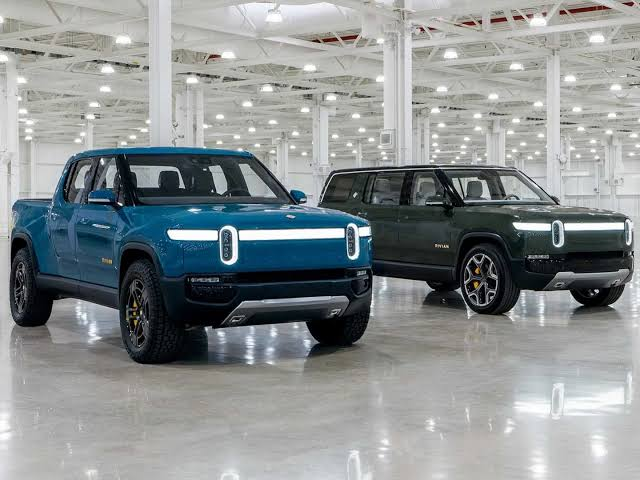
Although the R2 attracts considerable attention, Rivian’s established R1T electric pickup and R1S SUV remain important to its identity. These vehicles helped introduce the company’s distinctive combination of outdoor capability, modern technology, and premium interior design. The R1T appeals to customers seeking an electric pickup with practical utility, while the R1S provides three-row SUV versatility for families and adventure-oriented drivers. Their continued presence gives Rivian a broader product portfolio as it attempts to reach new customers through the smaller R2.
Rivian has also invested in improving its existing vehicles through software development, hardware updates, and customer service expansion. Its first-quarter 2026 investor presentation reported that the R1S earned a 2026 TOP SAFETY PICK+ designation from the Insurance Institute for Highway Safety. However, prospective owners should assess each vehicle individually, considering configuration, insurance costs, service availability, charging convenience, and expected depreciation. Premium specifications can be appealing, but a successful ownership experience depends on reliable support after purchase as much as performance during a demonstration drive.
Electric Vehicle Competition Creates New Challenges
Rivian operates in an increasingly complicated electric vehicle market. Tesla remains a major competitor, while established manufacturers such as Ford, General Motors, Hyundai, and Kia offer electric models across different price categories. Consumer decisions increasingly depend on purchase price, charging access, reliability, financing costs, and resale value rather than acceleration or driving range alone. This environment creates both opportunities and risks for Rivian, especially as it introduces products intended to appeal to a larger audience.
According to Reuters reporting on 8 October 2026, US electric vehicle sales declined 30.7% year to date through September, while hybrids gained popularity. The expiration of the previous federal EV tax credit contributed to changing purchasing conditions. Nevertheless, Rivian’s strong third-quarter deliveries suggest that individual manufacturers can outperform a weaker overall market. Following rivian news alongside broader automotive statistics helps readers understand this distinction. A company’s sales growth may indicate successful product execution without necessarily proving that demand across the entire industry is recovering.
Rivian Service Centres, Charging, and Ownership Experience
As Rivian expands deliveries, customer support infrastructure becomes increasingly important. Electric vehicle ownership involves more than buying a vehicle with an attractive range estimate. Drivers need dependable service appointments, replacement parts, charging access, software support, and clear warranty information. These considerations become particularly significant for customers living far from major metropolitan areas. A manufacturer may offer advanced technology and appealing performance, but limited service availability can create practical inconvenience when repairs or inspections become necessary.
Rivian reported opening its 100th service centre during the first quarter of 2026 and operating more than 680 mobile service vans. This expansion supports its effort to serve a larger vehicle population. Buyers should still check local service coverage, appointment availability, home-charging installation costs, and public charging compatibility. They should also confirm the current terms of any charging-network access arrangements. Evaluating these practical details before purchase can prevent unexpected expenses and help determine whether a Rivian fits everyday driving requirements.
Rivian R2 Safety Recall Raises Quality Control Questions
Vehicle safety has become another important development in recent rivian news. In October 2026, Rivian issued a recall affecting 14 examples of the 2027 R2 because of a potentially improperly tightened fastener associated with the high-voltage battery system. The defect could result in a sudden loss of driving power. According to reporting from Road & Track, the problem was identified during manufacturing inspections, and Rivian traced the affected vehicles to a limited production period. No accidents, injuries, or customer complaints had been reported in connection with the issue.
The small recall illustrates why manufacturing quality control becomes especially important during a new vehicle launch. Rivian reportedly adjusted its automated assembly process and arranged inspections and necessary repairs for the affected vehicles. Buyers should understand that recalls are not necessarily evidence of widespread vehicle unreliability, but they do require appropriate attention. Owners can check their vehicle identification number through official manufacturer communications and the National Highway Traffic Safety Administration’s recall database. Monitoring safety notices, completing required repairs, and maintaining accurate ownership records are sensible precautions for every electric vehicle owner.
Rivian’s Georgia Factory and Long-Term Expansion Plans
Rivian’s proposed manufacturing facility near Social Circle, Georgia, represents another major component of its expansion strategy. The project is intended to support future midsize electric vehicles while reducing dependence on the Illinois factory. In its first-quarter 2026 presentation, Rivian outlined an initial planned annual production capacity of 300,000 vehicles for the Georgia operation. The company expects manufacturing to begin in late 2028, although construction schedules, financing conditions, supplier readiness, and demand could affect the eventual timetable.
Expanding manufacturing capacity could improve Rivian’s ability to serve additional markets and introduce future models. However, constructing a factory requires substantial investment before it generates meaningful revenue. Management must balance expansion against operating losses, available liquidity, and the need to improve production economics at existing facilities. For investors, the most important indicators will include construction milestones, capital expenditure, production readiness, and actual customer demand. A larger factory network offers potential growth, but successful execution will determine whether that capacity becomes a financial advantage.
What Investors Should Watch in Rivian Stock
Rivian trades on the Nasdaq under the ticker RIVN, making its operational developments particularly relevant to shareholders. Strong delivery figures can improve investor confidence, but stock performance also reflects profitability expectations, financing requirements, market conditions, and future growth assumptions. The October 2026 delivery announcement demonstrated this complexity when shares declined despite better-than-expected vehicle sales. Investors appeared disappointed that management maintained its existing annual guidance instead of increasing it following the strong quarter.
The next quarterly earnings report will provide a more complete picture of Rivian’s financial progress. Investors should examine automotive gross margins, operating cash flow, available liquidity, R2 production costs, and changes to full-year forecasts. They should also distinguish confirmed financing from conditional future investments. Following rivian news can help identify important developments, but individual announcements rarely provide enough information to justify an investment decision. A balanced assessment should consider business fundamentals, competitive risks, valuation, and personal financial circumstances rather than relying on short-term market reactions.
Key Takeaways
Rivian entered October 2026 with stronger vehicle deliveries, an expanding R2 programme, and ambitious technology partnerships. Its third-quarter production reached 19,751 vehicles, while customer deliveries totalled 19,248. The company maintained its annual delivery outlook of 65,000 to 70,000 vehicles, signalling confidence in further growth without raising expectations beyond its existing forecast. Meanwhile, partnerships with Volkswagen and Uber could create additional opportunities in software development and autonomous transportation. These developments make Rivian an important company to watch as the American electric vehicle industry evolves.
However, significant challenges remain. Rivian continues to consume cash, faces intense competition, and must improve manufacturing efficiency while expanding its service infrastructure. Its Georgia factory and robotaxi ambitions also involve substantial execution risks. For consumers, the immediate priorities are vehicle affordability, reliability, charging convenience, and ownership costs. For investors, profitability and financial stability remain central considerations. The most useful approach is to follow verified rivian news, compare official disclosures with independent reporting, and evaluate both achievements and unresolved challenges before making decisions.
Conclusion
Rivian’s latest developments show a manufacturer moving beyond its early identity as a premium electric truck specialist. The R2 SUV has helped accelerate deliveries, while expanding software capabilities and major partnerships are opening new possibilities. Its progress during a challenging period for the wider EV market demonstrates meaningful commercial momentum. Nevertheless, higher sales alone cannot guarantee long-term success. Rivian must continue improving production efficiency, maintaining vehicle quality, managing expenses, and converting technological ambition into sustainable financial results.
For buyers, investors, and automotive enthusiasts, the coming months could provide important evidence about the company’s future direction. The October earnings announcement, continuing R2 deliveries, and progress on manufacturing expansion deserve particular attention. Stay informed by following reliable rivian news, reviewing official financial disclosures, comparing electric vehicle options, and watching how Rivian responds to changing market conditions. Understanding both the opportunities and the risks will help you make more confident decisions as the next chapter of electric transportation unfolds.
Frequently Asked Questions
What is the latest Rivian news in 2026?
Rivian reported record third-quarter deliveries of 19,248 vehicles, supported by its R2 SUV launch.
How much does the Rivian R2 cost?
The R2 Standard is listed from $44,990 for 2027, before applicable fees and taxes.
Is Rivian profitable in 2026?
Rivian has reported positive quarterly consolidated gross profit but continues to face overall losses and negative free cash flow.
When will Rivian release its next earnings report?
Rivian’s third-quarter 2026 financial results are scheduled for 29 October 2026.
Is Rivian working with Volkswagen?
Yes. Rivian and Volkswagen operate a joint venture developing advanced vehicle software and electrical architecture.
You May Also Read: Graphic Design News