

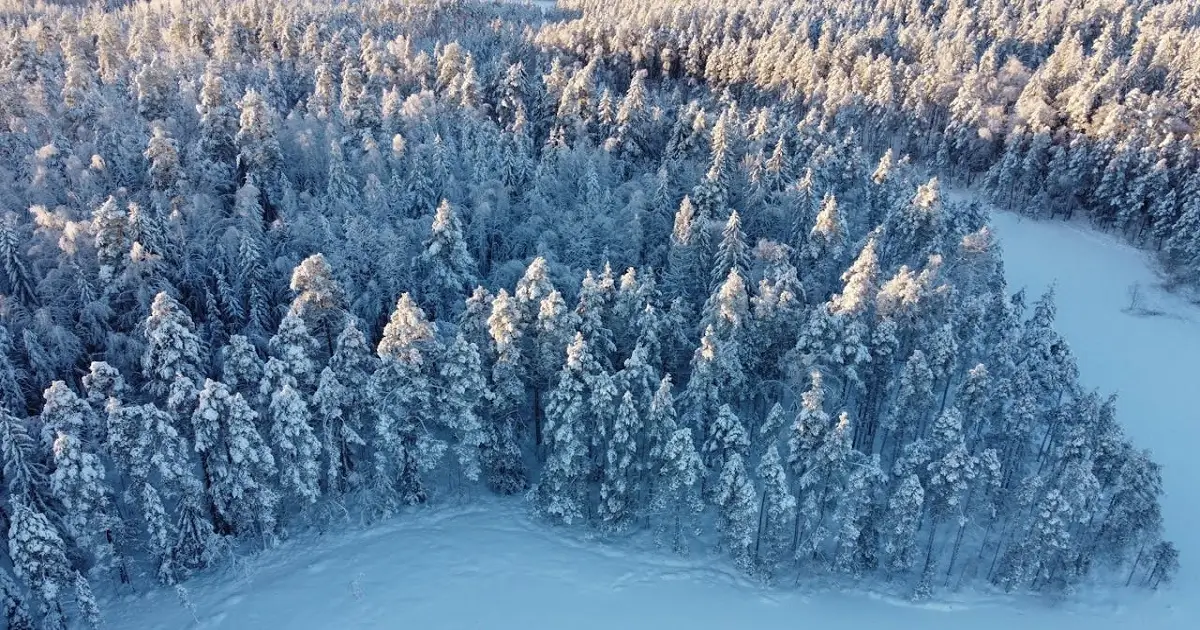
The world’s great northern forests can look almost timeless: dark conifers stretching across vast landscapes, frozen lakes reflecting pale skies, and long winters that seem to define the region. But the climate of the taiga biome is changing, and scientists are watching those changes closely because the boreal forest stores enormous amounts of carbon and influences water, wildlife, and global weather patterns. From Siberia and Scandinavia to Alaska and Canada, warmer temperatures are reshaping snow cover, wildfire patterns, permafrost, and growing seasons. Understanding the taiga biome climate is therefore not simply a geography lesson; it is part of a much larger story about a rapidly changing planet.
What Makes the Taiga Biome Climate Unique
The taiga, also called the boreal forest, occupies a huge belt across the Northern Hemisphere. It stretches through Canada and Alaska, across northern Europe, and deep into Russia and Siberia. Its climate is strongly seasonal, with short summers and long, cold winters. Large differences between summer and winter temperatures are among its defining characteristics. In continental areas, winter temperatures can fall dramatically below freezing, while summer conditions may become surprisingly warm for a high-latitude environment.
Another defining feature is the length of the growing season. Trees and other plants have only a limited period each year to grow, reproduce, and store energy before winter returns. Coniferous species such as spruce, fir, pine, and larch have adaptations that help them survive these conditions. Their needle-like leaves reduce water loss and can remain functional through difficult seasons, while their shapes often help snow slide away rather than accumulate heavily on branches.
Where the Boreal Forest Experiences Its Harshest Weather
The strongest winter conditions generally occur in the interior portions of the boreal zone, where large landmasses create highly continental climates. Siberia is particularly famous for extreme winter cold because it lies far from moderating ocean influences. Northern Canada and Alaska also experience severe winter conditions, although temperatures vary substantially depending on elevation, latitude, proximity to water, and local geography.
Coastal areas can experience less extreme temperature swings because oceans store and release heat more slowly than land. However, that does not mean every coastal boreal environment has mild weather. Snowfall, storms, wind exposure, and sea-ice conditions can still create difficult conditions for plants and animals. As a result, scientists examine regional climate patterns rather than treating the entire taiga as a single uniform environment.
How Winter Shapes Life in the Taiga
Winter dominates much of the annual cycle in the boreal forest. Snow can cover the ground for months, limiting access to vegetation and affecting how animals move through the landscape. Many mammals grow thicker coats, reduce activity, migrate, or rely on stored food to survive. Species such as moose, lynx, wolves, and various rodents have evolved behaviors that allow them to cope with long periods of cold and limited food availability.
Snow also acts as an insulating blanket. Although air temperatures above the surface may become extremely low, the snow layer can protect soil and plant roots from some of the harshest conditions. The timing, depth, and duration of snow cover therefore matter greatly. When warming changes snowfall into rainfall or causes snow to melt earlier, the consequences can extend beyond winter itself, influencing soil moisture, plant growth, river flow, and wildfire risk later in the year.
Why Taiga Summers Can Be Surprisingly Warm
It is easy to imagine the boreal forest as permanently frozen, but that picture is misleading. Summers can bring long daylight hours because of the high latitude. In some locations, days become exceptionally long, providing plants with a short but intense period for photosynthesis. Temperatures can rise well above freezing, and some interior areas can experience warm or even hot conditions during strong summer weather events.
This seasonal contrast is crucial to understanding the ecosystem. Boreal trees take advantage of the brief growing season, while insects become highly active and migratory birds arrive to exploit abundant food. Lakes, wetlands, and rivers also become biologically productive during summer. Consequently, even modest changes in the timing of spring warming or autumn cooling can influence an entire chain of ecological events.
Climate Change Is Reshaping the Northern Forest
Recent climate research has highlighted the vulnerability of high-latitude ecosystems to warming. The Arctic and many surrounding northern regions have warmed faster than the global average in recent decades, although the rate varies by location and period. Warmer conditions can extend growing seasons, but that does not automatically mean the boreal forest becomes healthier. Heat can increase drought stress, encourage insect outbreaks, dry vegetation, and contribute to larger or more severe wildfires.
Scientists therefore distinguish between a longer growing season and improved ecosystem conditions. A tree may have more time available for growth but still suffer if soil moisture declines or extreme heat increases. In some regions, warmer conditions can also encourage vegetation changes, including expansion of shrubs or movement of certain tree species toward higher latitudes. The overall result is a complicated ecological transition rather than a simple improvement or decline.
Wildfires Are Becoming a Major Climate Story
Wildfire is a natural part of many boreal ecosystems, and some tree species have evolved alongside periodic burning. Fire can clear older vegetation, release nutrients, and create opportunities for new growth. However, climate conditions can influence how frequently fires occur, how intensely they burn, and how long the fire season lasts.
Hotter and drier periods can make forests and peatlands more vulnerable to ignition and rapid fire spread. Recent severe wildfire seasons in Canada and other northern regions have demonstrated how smoke from boreal fires can travel thousands of miles, affecting air quality far beyond the burning area. The news value of these events extends across borders because wildfire smoke can become a public-health, transportation, and environmental issue simultaneously.
Permafrost Adds Another Layer of Risk
Permafrost is ground that remains frozen for at least two consecutive years, and large areas of the northern landscape contain permafrost beneath forests, wetlands, and tundra. Some boreal regions sit on permanently frozen ground, while others contain discontinuous or patchy permafrost. Its stability depends on temperature, snow cover, vegetation, soil properties, and surface conditions.
As temperatures rise, some permafrost areas are becoming less stable. Thawing can alter drainage, damage infrastructure, change vegetation, and affect lakes and wetlands. It can also influence carbon cycling because frozen soils contain organic material accumulated over long periods. When previously frozen material thaws, microbes can decompose it and release carbon dioxide and methane. This connection makes northern soil conditions relevant to global climate discussions.
The Taiga Is an Important Carbon Store
Boreal forests and associated peatlands contain enormous quantities of carbon in vegetation and soils. Trees store carbon in trunks, branches, roots, and leaves, while dead organic matter can accumulate in cold soils where decomposition occurs slowly. Peatlands can be particularly important because waterlogged conditions can preserve organic material for long periods.
This creates a delicate balance. Healthy, functioning boreal ecosystems can remove carbon dioxide from the atmosphere through photosynthesis and store carbon in biomass and soils. Yet wildfire, drought, deforestation, and permafrost thaw can release stored carbon. The future climate role of the taiga therefore depends not only on how many trees grow, but also on what happens to soils, peat, fire regimes, and long-term carbon storage.
Wildlife Is Responding to Changing Conditions
Climate shifts can alter the relationships between predators, prey, vegetation, parasites, and seasonal habitats. Snow-dependent species may face particular challenges when winter conditions become warmer or less predictable. Changes in snow depth and consistency can affect how animals travel, find food, and avoid predators. At the same time, some southern species may expand northward as conditions become more suitable.
Migratory birds provide another example. Many species time their arrival and breeding according to seasonal cues such as temperature, daylight, and food availability. If insects emerge earlier because spring arrives sooner, birds that migrate according to other signals may arrive after peak food availability. Such timing mismatches can become increasingly important as seasonal cycles change at different rates.
How Scientists Monitor the Boreal Forest
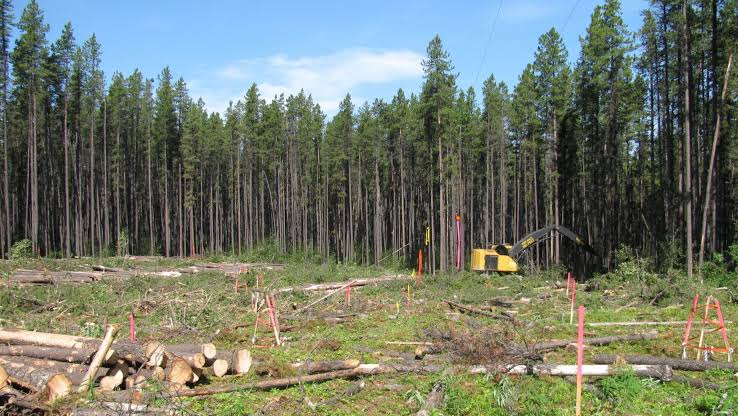
Scientists use a combination of satellite imagery, weather stations, field observations, ecological surveys, and computer models to understand changes across the taiga. Satellites are particularly valuable because the boreal forest covers such a vast area that researchers cannot monitor every location from the ground. Remote sensing can help identify burned areas, changes in vegetation, snow cover, surface water, and forest disturbance.
Ground observations remain essential because satellites cannot explain every ecological process by themselves. Researchers collect information about soil temperatures, tree growth, insects, moisture, fire behavior, and permafrost conditions. Combining these observations with climate models allows scientists to distinguish short-term weather events from longer-term trends and to explore possible future scenarios.
What Recent Boreal Climate Trends Mean for Communities
Climate change in the taiga is not restricted to wilderness areas. Northern communities depend on forests, freshwater systems, roads, fisheries, wildlife, and other resources that can be affected by changing environmental conditions. Warmer winters can influence transportation over frozen ground and ice routes, while wildfire smoke can create hazardous air-quality conditions. Infrastructure built on permafrost can also face additional challenges when frozen ground becomes unstable.
Forestry is another major economic consideration. The boreal region supports significant timber industries in countries including Canada, Sweden, Finland, and Russia. Changes in drought, pests, wildfire, and tree growth can affect forest productivity and management decisions. Consequently, climate adaptation increasingly involves monitoring ecological conditions while balancing economic needs with biodiversity and long-term carbon storage.
How Human Activity Interacts With Taiga Climate
Climate is not the only force changing northern forests. Logging, mining, road construction, energy development, agriculture at the southern edge of the boreal zone, and infrastructure projects can fragment habitats and modify local ecosystems. Disturbance can also interact with climate effects. For example, a fragmented forest may respond differently to drought or wildfire than an intact landscape.
This does not mean every human activity produces the same environmental outcome. Responsible forest management, protected areas, restoration, Indigenous stewardship, and carefully designed infrastructure can reduce certain risks. Increasingly, scientists and policymakers emphasize landscape-scale planning because individual projects cannot fully address changes that operate across thousands of square miles.
The Role of Indigenous Knowledge and Stewardship
Indigenous peoples have lived across northern forest landscapes for generations and possess detailed knowledge of seasonal cycles, wildlife behavior, vegetation, water systems, and fire. This knowledge can provide valuable local context for scientific monitoring and environmental decision-making. In many regions, Indigenous communities are also directly experiencing changes in ice conditions, wildlife patterns, wildfire, and access to traditional resources.
The strongest environmental assessments increasingly recognize that different knowledge systems can complement one another. Instrument measurements provide quantitative records, while long-term community observations can reveal changes across places and seasons that may be difficult to capture through short research projects. Meaningful collaboration can therefore improve both scientific understanding and practical climate adaptation.
What the Future of the Taiga Could Look Like
The future of the boreal forest will depend heavily on greenhouse gas emissions, regional precipitation patterns, wildfire activity, land management, and the ability of ecosystems to adapt. Some northern forests may initially experience increased growth because of warmer temperatures and longer growing seasons. However, continued warming could eventually increase drought, insects, fire, and ecological stress enough to offset those gains in some regions.
Researchers also expect greater geographic shifts in vegetation. Some species may move northward or toward higher elevations where suitable conditions remain available, while other species could struggle to keep pace with rapid environmental change. Importantly, forests cannot migrate instantly, and natural barriers, soil conditions, human development, and seed dispersal can limit movement. The result may be a changing mosaic of forest, shrubland, wetlands, and burned landscapes.
Practical Ways to Understand Taiga Climate News
When reading news about northern forests, it is useful to separate individual weather events from long-term climate trends. A single unusually cold winter does not disprove warming, just as one exceptionally hot summer does not by itself establish a global trend. Reliable reporting should consider multi-year or multi-decade datasets and explain the geographic area and period being studied.
Readers should also look for the distinction between weather, climate, and ecological response. Weather describes short-term atmospheric conditions, while climate describes patterns over longer periods. An ecosystem response may take even longer to emerge. Asking what changed, over what time period, where the data came from, and whether scientists observed a consistent trend can help readers evaluate environmental claims more critically.
Key Takeaways
The taiga is one of Earth’s largest terrestrial biomes and is defined by long, cold winters, short growing seasons, and strong seasonal contrasts. Its forests span enormous areas of North America and Eurasia, making them globally significant rather than merely regional ecosystems.
Climate change is altering several interconnected parts of this system. Warmer temperatures can extend growing seasons, but increasing heat and drought can also raise wildfire risk and stress vegetation. Changes in snow cover can affect wildlife and water cycles, while permafrost thaw can disturb landscapes and contribute to carbon emissions.
The boreal forest also plays an important role in the global carbon cycle. Its future will depend on the interaction among climate change, wildfire, land use, forest management, permafrost, and ecological adaptation. Monitoring these changes is increasingly important for communities, governments, researchers, and conservation organizations.
Conclusion
The northern boreal forest is entering an era of rapid environmental change. Its familiar image of snow-covered trees and frozen landscapes still reflects reality across much of the region, but the timing, intensity, and reliability of those conditions are changing. Rising temperatures, shifting snow patterns, wildfire, permafrost thaw, and changing wildlife behavior are turning the taiga into an important indicator of broader climate pressures.
Understanding these changes requires more than watching temperature records. The strongest picture comes from combining climate science, satellite observations, ecological research, local experience, and long-term environmental monitoring. As northern landscapes continue to change, staying informed about the taiga can help readers understand one of the planet’s most important forest systems and the wider consequences of a warming world.
Frequently Asked Questions
What is the taiga biome climate?
The taiga has long, cold winters, short summers, limited growing seasons, and major seasonal temperature differences.
Where is the taiga located?
It mainly stretches across Canada, Alaska, northern Europe, and Russia.
Is the taiga getting warmer?
Many northern regions have experienced significant warming, although changes vary by location and season.
Why are wildfires important in the taiga?
Fire is a natural ecological process, but hotter and drier conditions can increase the likelihood and severity of some fires.
What is permafrost?
Permafrost is ground that remains frozen for at least two consecutive years.
You May Also Read: Compass Rose Drawing