

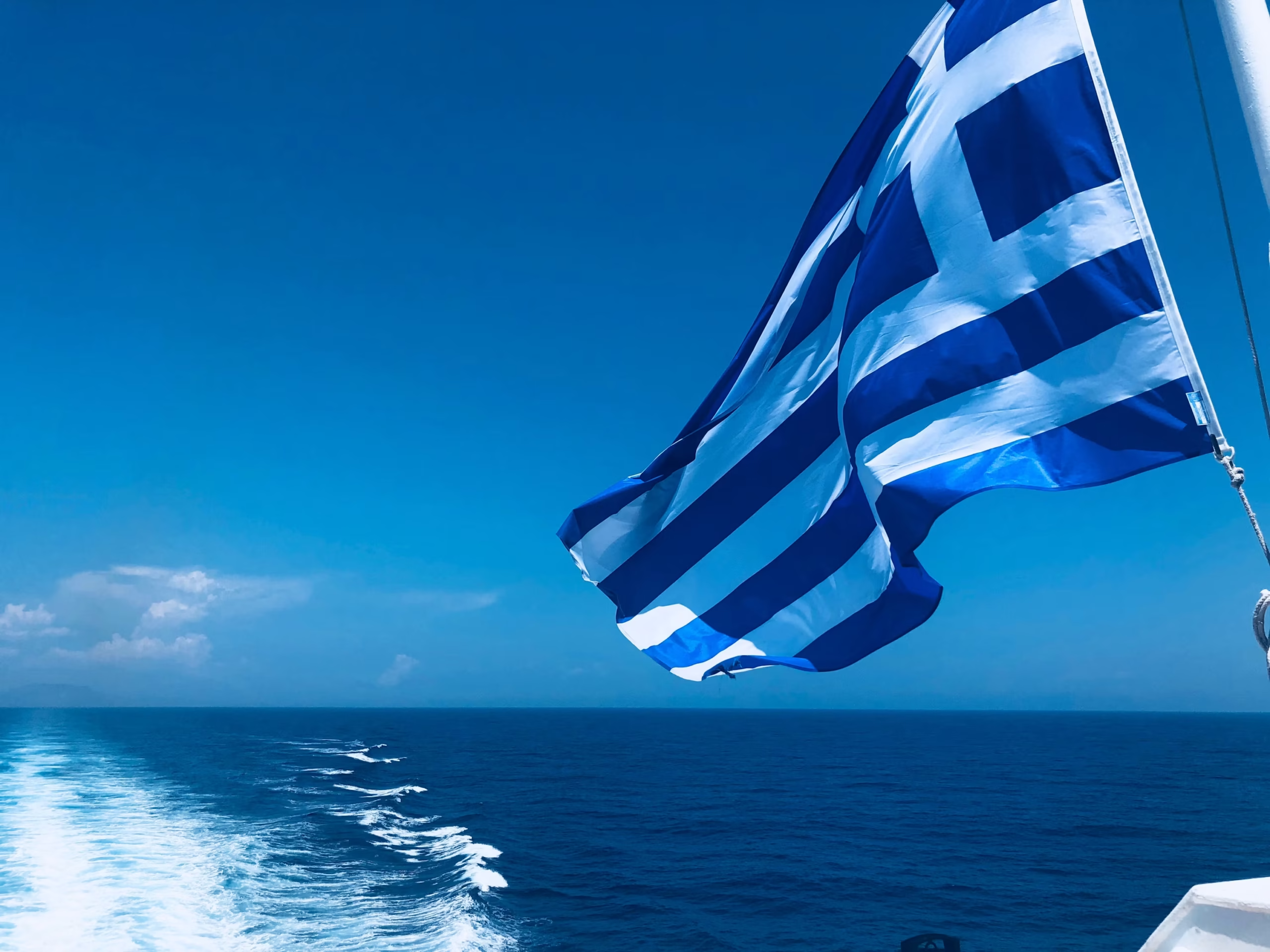
The Greek flag is one of the most recognizable national symbols in the world, carrying a story that goes far beyond its blue and white appearance. For centuries, it has represented Greece’s journey through independence, cultural transformation, religious traditions, and national unity. The flag connects modern Greece with its historical roots, reminding people of the struggles and achievements that shaped the nation’s identity.
Across Greece and around the world, the Greek flag appears during national celebrations, Olympic events, diplomatic ceremonies, and cultural festivals. Its simple design carries deep meaning, reflecting the country’s relationship with the Mediterranean Sea, its historical fight for freedom, and the traditions that continue to influence Greek society today.
Greek Flag History: From Independence Movement to National Identity
The history of the Greek flag is closely connected with the Greek War of Independence, which began in 1821. During the revolution against Ottoman rule, Greek fighters used different banners and symbols to express their desire for freedom and establish a national identity. These early flags often included crosses and colors that represented Greek heritage and religious traditions.
As Greece moved toward becoming an independent nation, a unified national symbol became increasingly important. The blue and white design gradually gained recognition as a representation of Greek identity. The Greek flag became a powerful reminder of independence, sacrifice, and the determination of people who fought to create a modern Greek state.
The modern Greek flag developed through different historical periods, reflecting changes in government and society. While several versions existed throughout Greece’s history, the current design became the official national flag in 1978. This version preserved important traditional elements while creating a consistent symbol recognized both within Greece and internationally.
Greek Flag Design: Understanding the Blue and White Pattern
The Greek flag features a unique design consisting of nine horizontal stripes alternating between blue and white. In the upper left corner, a blue square contains a white cross. This combination creates a balanced appearance that is both visually simple and rich in historical meaning. The design has remained recognizable because of its strong connection to Greek culture and national identity.
The colors of the Greek flag are often associated with the natural environment of Greece. Blue represents the country’s famous seas and clear skies, while white is commonly linked with purity, peace, and the waves of the Mediterranean. These interpretations reflect Greece’s geographical features and its long relationship with the sea.
The design of the Greek flag also allows it to stand out during international events. Whether displayed at government buildings, carried by athletes, or flown on ships, the flag immediately represents Greece. Its combination of stripes and the cross creates a symbol that connects history, geography, and national pride.
Greek Flag Meaning: The Symbolism Behind Its Colors and Cross
The meaning of the Greek flag is deeply connected to the values and traditions of the Greek people. The blue and white colors are not only visual choices but also represent important aspects of Greek identity. The colors reflect the country’s natural beauty, including its islands, coastline, and bright Mediterranean environment.
The white cross located in the upper corner of the flag represents the Greek Orthodox Christian tradition. Religion has played a significant role in Greek history and culture, and the cross symbolizes faith, heritage, and continuity. For many Greeks, this element represents a connection between historical traditions and modern national life.
The nine stripes of the Greek flag also carry symbolic interpretations. One popular explanation connects them with the Greek phrase “Eleftheria i Thanatos,” meaning “Freedom or Death,” which became an important slogan during the independence movement. Another interpretation links the stripes to the nine Muses of ancient Greek mythology.
Why Does the Greek Flag Have Nine Stripes?
The nine stripes are among the most discussed features of the Greek flag. Although the exact official explanation for the number is not formally confirmed, the stripes have developed strong cultural meanings over time. Many historians and cultural sources associate them with Greece’s struggle for independence and the values that shaped the nation.
The connection between the stripes and the phrase “Eleftheria i Thanatos” remains one of the most popular interpretations. The phrase represented the determination of Greek revolutionaries who fought for freedom during the independence movement. The nine stripes are often viewed as a visual reminder of this historic commitment.
Beyond their historical meaning, the stripes give the Greek flag a distinctive appearance. They separate Greece’s national symbol from many other flags around the world and create a design that is instantly recognizable. The pattern continues to represent resilience, courage, and the lasting spirit of the Greek people.
Evolution of the Greek Flag Through Different Historical Periods
Before the current Greek flag became official, Greece used several different symbols and banners throughout its history. During ancient times, Greek city-states had their own symbols rather than one unified national flag. Later periods introduced various designs influenced by political changes, royal traditions, and independence movements.
During the Greek War of Independence, different revolutionary groups used banners featuring religious symbols and patriotic messages. These early designs helped create a foundation for the modern Greek flag. As Greece became an independent country, national symbols were gradually standardized to represent a unified identity.
The evolution of the Greek flag shows how national symbols can change while maintaining important historical connections. Although governments and political systems changed over time, the blue and white colors remained a constant reminder of Greek heritage, independence, and cultural continuity.
Greek Flag in Modern Culture, Sports and Global Events
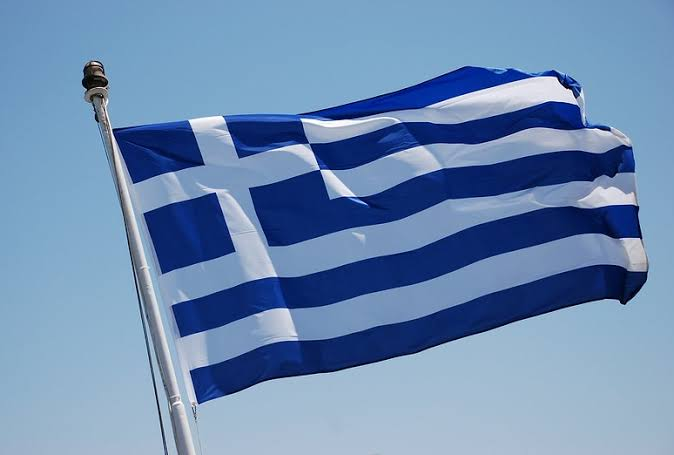
Today, the Greek flag continues to play an important role in national celebrations and international events. It is displayed during Greek Independence Day, government ceremonies, Olympic Games, and major sporting competitions. For many Greeks, seeing the flag raised at global events creates a strong connection to their homeland.
Greek communities around the world also use the flag to maintain cultural connections. In countries with large Greek populations, the flag appears during festivals, parades, and community gatherings. It represents shared traditions, family history, and a connection to Greek language and culture.
The Greek flag has also become closely associated with Greece’s tourism identity. Images of blue and white flags near ancient landmarks, islands, and coastal landscapes are widely recognized around the world. The symbol helps communicate Greece’s history, beauty, and cultural influence to international audiences.
Interesting Facts About the Greek Flag
The Greek flag contains several interesting details that make it unique. It is commonly known as “Galanolefki,” which translates to “blue and white.” The flag’s official proportions are 2:3, meaning the width is two-thirds of the length. These details help maintain consistency whenever the flag is produced or displayed.
Another fascinating aspect of the Greek flag is its ability to represent both ancient heritage and modern identity. Greece is known for its contributions to philosophy, democracy, art, and science, and the flag has become a modern symbol connected to this long historical legacy.
The Greek flag is also protected as an important national symbol. Its use during official events, public buildings, and international occasions reflects the respect and pride associated with Greece’s national identity. Every element of the design carries a connection to the country’s past and present.
Key Takeaways
The Greek flag is much more than a combination of colors and patterns. It represents Greece’s history, independence, faith, geography, and cultural traditions. The blue and white colors reflect the nation’s connection with the sea and sky, while the cross and stripes carry deeper historical meanings.
Understanding the story behind the Greek flag provides insight into how national symbols preserve memories and values across generations. From the independence movement of the 19th century to modern global events, the flag continues to represent unity and pride.
Conclusion
The Greek flag remains one of the most meaningful national symbols in Europe. Its blue and white design tells a story of freedom, tradition, faith, and cultural identity. Every stripe, color, and symbol reflects an important part of Greece’s journey through history.
From ancient influences to modern celebrations, the flag continues to connect generations of Greeks around the world. Exploring its history and symbolism allows people to better understand the values and experiences that shaped Greece as a nation. The Greek flag is not only a national emblem but also a lasting representation of heritage, resilience, and pride.
Frequently Asked Questions
What do the colors of the Greek flag represent?
The blue and white colors represent Greece’s seas, skies, purity, and national identity.
Why does the Greek flag have nine stripes?
The nine stripes are commonly associated with the phrase “Freedom or Death” and Greece’s independence struggle.
What does the cross on the Greek flag symbolize?
The white cross represents Greek Orthodox Christianity and its cultural importance in Greek history.
When was the modern Greek flag officially adopted?
The current Greek flag became the official national flag of Greece in 1978.
What is another name for the Greek flag?
The Greek flag is often called “Galanolefki,” meaning blue and white.
Why is the Greek flag important today?
It represents Greek history, culture, independence, and national pride around the world.
You May Also Read: Iran Map World