

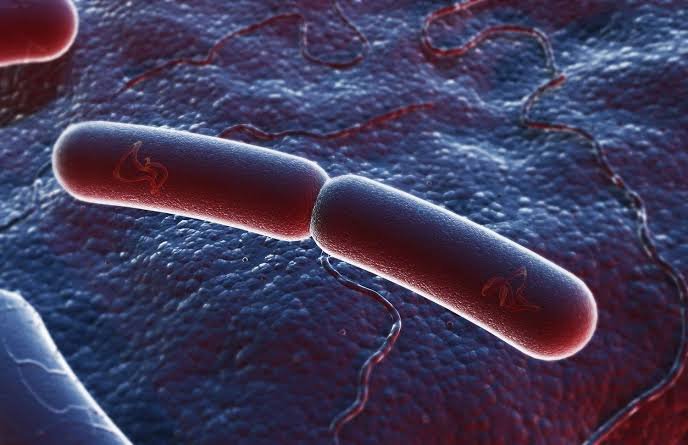
A single cell can become millions of organisms through one of nature’s most efficient biological processes. From microscopic bacteria in oceans to organisms living in extreme environments, binary fission allows life to multiply quickly without requiring complex reproductive systems. Scientists continue studying this process because it reveals how simple organisms survive, adapt, and influence ecosystems.
The growing interest in microbiology, biotechnology, and synthetic biology has brought renewed attention to binary fission. Researchers studying bacterial growth, antibiotic resistance, and microbial evolution rely on understanding how cells divide and pass genetic information to new generations. This fundamental biological mechanism remains one of the most important processes shaping life at the microscopic level.
What Is Binary Fission and Why Is It Important?
Binary fission is a form of asexual reproduction in which a single parent cell divides into two genetically similar daughter cells. Unlike sexual reproduction, this process does not require the combination of genetic material from two organisms. Instead, the parent organism copies its DNA and separates into two independent cells.
This method of reproduction is common among prokaryotic organisms, especially bacteria and archaea. During binary fission, the cell grows, duplicates its genetic material, separates the copied DNA, and forms a division point that eventually creates two new cells. Each daughter cell receives the genetic information needed for survival and future growth.
The importance of binary fission extends beyond basic biology. It explains how bacterial populations can increase rapidly under favorable conditions and helps scientists understand microbial behavior. In medical research, studying this process is essential for developing strategies against harmful bacteria and understanding how infections spread.
The Stages of Binary Fission Explained
The process of binary fission occurs through several carefully controlled stages. First, the cell grows larger and prepares for division by replicating its DNA. Because bacteria usually contain a single circular chromosome, copying the genetic material is relatively efficient compared with more complex cells.
After DNA replication, the duplicated chromosomes move toward opposite areas of the cell. The cell membrane begins to expand inward, creating a structure called a septum. This developing boundary separates the genetic material and prepares the original cell to become two independent organisms.
The final stage occurs when the septum completely forms and the parent cell divides into two daughter cells. These new cells are genetically almost identical to the original organism. However, small genetic changes can occur through mutations, allowing populations to adapt over generations.
Organisms That Reproduce Through Binary Fission
Many microorganisms depend on binary fission as their primary method of reproduction. Bacteria are the most well-known examples, including species that live in soil, water, animals, and human environments. These organisms use this process because it allows them to reproduce efficiently when resources are available.
Archaea, another group of single-celled organisms, also commonly reproduce through binary fission. Many archaea survive in extreme environments such as hot springs, deep ocean areas, and highly acidic locations. Their ability to reproduce quickly contributes to their success in challenging habitats.
Some single-celled eukaryotic organisms also use similar division processes, although their cellular structures differ from bacteria. Understanding which organisms rely on binary fission helps scientists study biodiversity, evolution, and the role microorganisms play in global ecosystems.
Binary Fission Compared With Other Forms of Cell Division
Binary fission differs significantly from other reproductive and cellular division methods. In contrast to mitosis, which occurs in eukaryotic cells such as plants and animals, binary fission does not involve a nucleus or complex chromosome structures. Instead, the process takes place within simpler cells called prokaryotes.
Another major difference appears when comparing binary fission with sexual reproduction. Sexual reproduction combines genetic material from two parents, creating greater genetic variation. Binary fission produces offspring that are nearly identical to the parent cell, although mutations can introduce changes over time.
Despite these differences, each type of reproduction serves an important biological purpose. Binary fission allows rapid population growth, while sexual reproduction supports genetic diversity. Scientists study these differences to better understand evolution, adaptation, and survival strategies across different forms of life.
How Binary Fission Affects Bacterial Growth and Health
Binary fission plays a major role in bacterial population growth. Under ideal conditions, some bacteria can divide rapidly, allowing populations to increase dramatically in a short period. This rapid multiplication explains why bacterial infections can develop quickly and why food safety practices are necessary to control microbial growth.
Medical researchers study binary fission because it influences how bacteria respond to antibiotics and environmental pressures. When bacteria reproduce, occasional mutations may occur, and some changes can provide resistance to medications. Over time, these resistant bacteria can become more difficult to treat.
Understanding bacterial reproduction has become increasingly important as antibiotic resistance continues to be a global health challenge. Scientists are investigating new treatments, including alternative antimicrobial approaches, by studying how bacteria grow, divide, and adapt through processes connected to binary fission.
The Role of Binary Fission in Evolution and Adaptation
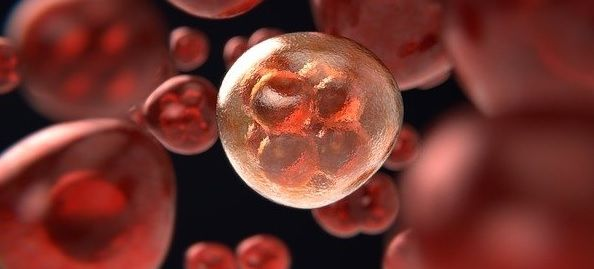
Although binary fission creates genetically similar cells, it does not prevent evolution. Mutations, environmental changes, and genetic exchanges between microorganisms allow populations to develop new characteristics. Over many generations, these small changes can influence how organisms survive in different environments.
Microbial evolution has shaped life on Earth for billions of years. Bacteria and archaea that reproduce through binary fission have adapted to nearly every environment, from ocean ecosystems to the human body. Their success demonstrates the effectiveness of simple but powerful biological strategies.
Scientists use modern genetic analysis to track evolutionary changes in microorganisms. By studying how populations reproduce and adapt, researchers gain insights into ecosystem stability, disease development, and the long-term relationship between microorganisms and their environments.
Recent Scientific Developments and Research Trends
Modern biotechnology has increased interest in understanding cellular reproduction at a deeper level. Researchers are using advanced imaging technologies and genetic tools to observe bacterial division in real time. These studies provide valuable information about how cells organize themselves and control growth.
Synthetic biology is another emerging field connected to research on simple organisms. Scientists studying microbial systems are exploring ways to engineer bacteria for applications such as medicine production, environmental cleanup, and industrial processes. Understanding binary fission helps researchers manage and optimize these engineered systems.
Future studies may focus on controlling microbial growth more precisely. As biotechnology advances, knowledge of cell division mechanisms will continue supporting innovations in healthcare, agriculture, and environmental science.
Why Understanding Binary Fission Matters Today
Learning about binary fission provides insight into some of the smallest but most influential forms of life. Microorganisms affect human health, ecosystems, food production, and industrial technology. Their ability to reproduce efficiently has allowed them to survive and thrive throughout Earth’s history.
For students and researchers, this process represents a foundation for understanding microbiology. It demonstrates how life can continue through simple mechanisms while still allowing adaptation and evolution. The study of cell division connects basic biology with modern scientific challenges.
As research continues, binary fission will remain an important topic in fields ranging from medicine to environmental science. Its simplicity makes it easier to study, but its impact on life is incredibly complex and far-reaching.
Key Takeaways
- Binary fission is a form of asexual reproduction where one cell divides into two genetically similar cells.
- Bacteria and archaea commonly use this process to reproduce and survive.
- The process involves DNA replication, chromosome separation, and cell division.
- Rapid reproduction through binary fission influences bacterial growth and infection development.
- Genetic mutations during reproduction allow microorganisms to adapt over time.
- Modern biotechnology uses knowledge of microbial division for medical and industrial applications.
Conclusion
Binary fission represents one of the simplest yet most powerful biological processes on Earth. Through this method, microscopic organisms reproduce, adapt, and maintain populations across countless environments. Although the process appears straightforward, its impact reaches into evolution, medicine, ecology, and biotechnology.
As scientists continue exploring microbial life, understanding how cells divide will remain essential. From studying antibiotic resistance to developing new technologies, research into cellular reproduction provides valuable knowledge about the organisms that influence our planet every day.
FAQs
What is binary fission in biology?
Binary fission is a type of asexual reproduction where a single cell divides into two genetically similar daughter cells.
Which organisms use binary fission?
Bacteria and archaea commonly reproduce through binary fission, along with some single-celled organisms.
How is binary fission different from mitosis?
Binary fission occurs mainly in prokaryotic cells, while mitosis occurs in eukaryotic cells with a nucleus.
Does binary fission create genetic variation?
Binary fission usually produces identical cells, but mutations and genetic changes can create variation over time.
Why is binary fission important in medicine?
It helps scientists understand bacterial growth, infections, and antibiotic resistance development.
How quickly can organisms reproduce through binary fission?
Some bacteria can divide very rapidly under ideal conditions, allowing populations to increase significantly in a short time.
You May Also Read: General Dan Caine