

June bugs are familiar summer insects that appear in many parts of the United States during late spring and early summer. These beetles are members of the scarab beetle family and are commonly noticed flying around outdoor lights, gardens, lawns, and homes after sunset. Their buzzing sounds and slow flying patterns make them easy to recognize, but many people wonder whether these insects are harmful or simply a normal part of the summer season.
Understanding June bugs is important because these insects have different effects depending on their stage of life. Adult June bugs are usually more of a nuisance than a serious threat, while their underground larvae, commonly known as grubs, can sometimes damage grass and plants. Learning about their appearance, behavior, life cycle, and control methods helps homeowners protect their lawns while understanding the role these beetles play in nature.
What Are June Bugs? Definition and Basic Information
June bugs are a group of beetles that belong to the scarab beetle family, a large insect group known for species with rounded bodies and hard outer wing covers. The term “June bug” does not describe one single species but is commonly used for different beetles that appear during warmer months. Their exact appearance and behavior can vary depending on location and species.
These insects are often called June beetles because they become active around June in many regions. However, some species may appear earlier or later depending on temperature, climate, and environmental conditions. June bugs are usually active at night and are strongly attracted to artificial lights, which is why they are often seen around porches, windows, and outdoor fixtures.
Although June bugs may appear intimidating because of their size and loud flying sounds, most species are harmless to humans. They do not typically bite or attack people, and they are more focused on feeding, reproducing, and completing their natural life cycle.
June Bug Identification: Appearance and Common Features
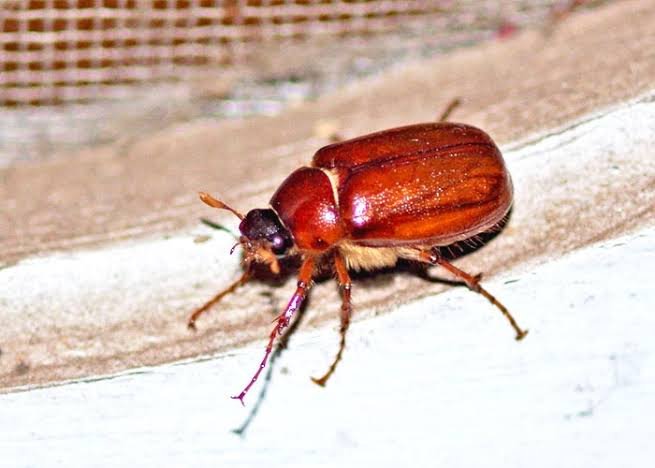
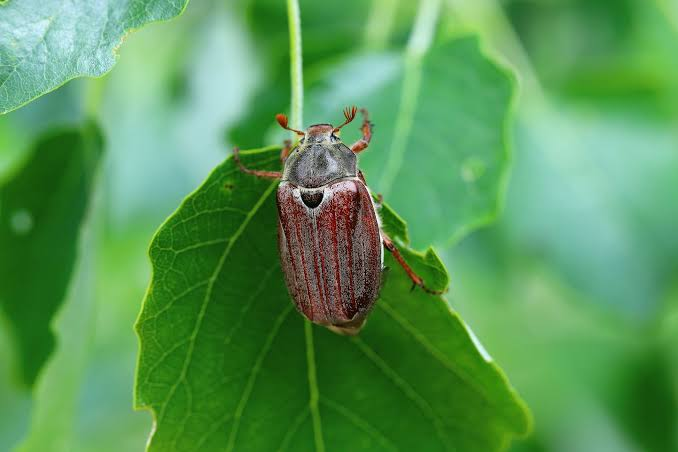
Identifying June bugs is relatively easy because they have several noticeable physical features. Most June bugs have oval-shaped bodies, six legs, antennae, and protective wing covers called elytra. Their colors can range from reddish-brown and dark brown to green or metallic shades depending on the species. Many have a shiny appearance that helps distinguish them from other common insects.
The size of June bugs can vary, but many adult beetles measure between half an inch and one inch long. Their slow movement and heavy flying style are common characteristics that make them recognizable during summer evenings. When disturbed, they may fly away with a loud buzzing sound or cling tightly to plants and surfaces.
Homeowners should avoid identifying insects only by color because many beetles look similar. Proper identification involves considering the insect’s shape, size, season, and behavior. Understanding what June bugs look like can help determine whether a lawn or garden problem is caused by these beetles or another type of pest.
June Bug Life Cycle and Development Stages
The life cycle of June bugs includes several important stages: egg, larva, pupa, and adult beetle. Female June bugs lay their eggs in soil, usually in areas with grass, plants, or organic material. After the eggs hatch, young larvae emerge and begin feeding underground where they can remain hidden for a long period.
The larval stage is often the most important stage when discussing June bugs because these larvae are commonly known as grubs. These white, C-shaped grubs feed on plant roots beneath the soil surface. When grub populations become large, they can weaken lawns and cause visible damage such as brown patches or thinning grass.
After completing their underground development, June bug larvae transform into adult beetles. The adults emerge during warmer months, often appearing around June, and begin the reproduction process again. Understanding this life cycle is important because effective control methods often need to target both adult beetles and underground larvae.
Are June Bugs Harmful to Lawns and Gardens?
June bugs can affect lawns and gardens differently depending on their life stage and population size. Adult June bugs may feed on leaves, flowers, and plants, but they usually do not cause severe damage. Their presence is often noticed more because they gather around lights and create noise during nighttime activity.
The main concern with June bugs comes from their grub stage. June bug larvae live underground and feed on grass roots, which can weaken the structure of a lawn. Damaged grass may become yellow, thin, or loose, and areas with heavy grub activity may be easily pulled away from the soil.
Gardeners who notice lawn damage should inspect the soil before deciding on treatment. Not every damaged lawn is caused by June bugs, and other insects or environmental issues may create similar problems. Correct identification allows homeowners to choose the right solution without unnecessary treatments.
Why Do June Bugs Appear Around Homes?
June bugs appear around homes because residential areas often provide ideal conditions for feeding and reproduction. Lawns, gardens, trees, and soil-rich areas create suitable environments where these insects can complete their life cycle. Warm temperatures during spring and summer encourage adult beetles to become active.
One of the most noticeable behaviors of June bugs is their attraction to artificial light. Porch lights, garden lights, and bright outdoor fixtures often attract these beetles during nighttime hours. This behavior can make it seem like there are large numbers of insects around a home, especially during peak summer activity.
June bugs may also appear in areas where soil conditions support their larvae. Healthy lawns with organic material can provide good environments for egg-laying and grub development. Maintaining proper lawn care practices can help reduce conditions that encourage large June bug populations.
Natural Ways to Control June Bugs
Managing June bugs naturally begins with maintaining a healthy lawn and garden environment. Proper watering, regular mowing, and good soil care can strengthen grass and make it more resistant to grub damage. A healthy lawn is often better able to handle small insect populations without serious problems.
Reducing outdoor lighting can also help decrease the number of adult June bugs around homes. Since these insects are attracted to bright lights, using fewer unnecessary lights at night or switching to insect-friendly lighting options may reduce their presence around outdoor areas.
Natural predators can also help control June bug populations. Birds, small animals, and other insects often feed on beetles and larvae. Encouraging biodiversity in gardens can create a balanced ecosystem where natural predators help keep pest populations under control.
Chemical Control and Prevention Methods for June Bugs
When June bug populations become large and cause visible lawn damage, some homeowners may consider chemical control methods. Products designed to target beetle larvae can help reduce grub populations in affected areas. However, choosing the correct treatment and applying it properly is important for achieving effective results.
Prevention is one of the best ways to manage June bugs over time. Regular lawn inspections can help identify early signs of grub activity before major damage occurs. Removing excess organic debris, maintaining healthy grass, and improving soil conditions can reduce the chances of severe infestations.
Responsible pest management is important because lawns and gardens contain many beneficial organisms. Using treatments only when necessary helps protect helpful insects, plants, pets, and the surrounding environment while still managing unwanted June bug problems.
Interesting Facts About June Bugs
June bugs have several fascinating characteristics that make them interesting insects. Many species are active mainly at night, which explains why they are commonly seen flying around lights after sunset. Their seasonal appearance has made them a familiar sign of warm weather in many regions.
Another interesting fact about June bugs is that much of their life happens underground. While people usually notice adult beetles, their larval stage can last much longer beneath the soil. These hidden grubs play an important role in the insect’s development and reproduction cycle.
June bugs also serve as a food source for many animals, including birds, mammals, and other predators. Although they can sometimes become lawn pests, they remain an important part of natural ecosystems and contribute to the balance of local environments.
Conclusion
June bugs are common summer beetles that play an important role in nature while sometimes creating challenges for homeowners. Their adult form is usually harmless, but their underground larvae can damage lawns and plants by feeding on roots. Understanding their identification, behavior, and life cycle helps people respond appropriately.
The best way to manage June bugs is through prevention, proper lawn care, and targeted control when necessary. By maintaining healthy outdoor spaces and understanding these insects instead of fearing them, homeowners can protect their gardens while respecting the natural role these beetles play.
FAQs
What are June bugs?
June bugs are scarab beetles that appear during warmer months and are commonly found around lawns, gardens, and outdoor lights.
Are June bugs harmful to humans?
No, June bugs are generally harmless to humans and do not usually bite or attack.
Why do June bugs come out at night?
Many June bugs are nocturnal and are attracted to artificial lights during nighttime activity.
Do June bugs damage lawns?
Their larvae, called grubs, can damage lawns by feeding on grass roots underground.
How can you get rid of June bugs?
June bugs can be controlled through lawn care, reducing light attraction, natural predators, and targeted pest management methods.
You May Also Read: Chicken Snake