

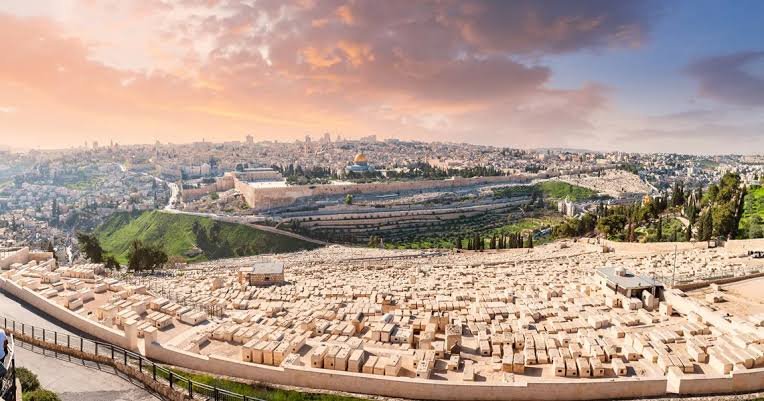
The Mount of Olives is one of the most recognized and historically important landmarks in Jerusalem, attracting millions of visitors, pilgrims, and researchers every year. Located east of the Old City of Jerusalem and separated from it by the Kidron Valley, this ancient ridge has been a central part of religious traditions, historical events, and cultural stories for thousands of years. Its combination of breathtaking views, sacred locations, and deep historical connections makes it one of the most meaningful places in the world.
The significance of the Mount of Olives extends across Judaism, Christianity, and Islam, making it a unique location where different faith traditions connect with Jerusalem’s long and complex history. From ancient burial grounds to biblical events and famous churches, the mountain offers visitors a chance to explore centuries of human devotion and historical change. Understanding its geography, history, and religious importance helps explain why this location continues to hold such global attention.
What Is the Mount of Olives and Where Is It Located?
The Mount of Olives is a limestone mountain ridge situated on the eastern side of Jerusalem’s Old City. It rises above the Kidron Valley and provides one of the most impressive viewpoints overlooking Jerusalem’s historic areas. The ridge contains several peaks and reaches an elevation of more than 800 meters above sea level, making it a natural observation point throughout history.
The name Mount of Olives comes from the olive groves that once covered its slopes. These olive trees became an important symbol connected with the landscape and identity of the region. Today, the Mount of Olives remains a famous destination where visitors can view the Old City walls, the Temple Mount, and other important landmarks while learning about the area’s ancient background.
History of the Mount of Olives Through the Ages
The history of the Mount of Olives reaches back thousands of years and is closely connected with the development of Jerusalem. Ancient writings and historical traditions mention the mountain as a place associated with important events, religious practices, and communities that shaped the city’s identity. Its location near Jerusalem made it significant for political, spiritual, and cultural reasons.
Throughout different historical periods, the Mount of Olives continued to serve as a place of worship, reflection, and remembrance. The mountain witnessed changes in rulers, civilizations, and religious communities while maintaining its importance as a sacred landscape. Its long history has transformed it into more than just a geographic feature; it has become a symbol of Jerusalem’s enduring connection to faith and tradition.
Biblical Significance of the Mount of Olives
The Mount of Olives holds a major place in Christian tradition because of its connection to important events from the life of Jesus. According to the New Testament, Jesus visited the mountain on several occasions, making it one of the most important biblical locations in Jerusalem. The area is especially known for its connection with prayer, teaching, and moments before major events in Christian history.
One of the most famous sites on the Mount of Olives is the Garden of Gethsemane, where Christian tradition believes Jesus prayed before his arrest. The mountain is also associated with the triumphal entry into Jerusalem and the Ascension of Jesus. These connections make the Mount of Olives a major pilgrimage destination for Christians from around the world who visit to explore these sacred locations.
Religious Importance of the Mount of Olives
The Mount of Olives is considered a holy place by Judaism, Christianity, and Islam, each tradition recognizing its own historical and spiritual connections with the mountain. In Judaism, the site is especially important because of the ancient Jewish cemetery located on its slopes. Many Jewish traditions connect the mountain with future redemption and the restoration of Jerusalem.
For Christians, the Mount of Olives represents key moments in the life of Jesus and remains one of the most important pilgrimage locations in the Holy Land. In Islam, the mountain is also connected to the wider religious importance of Jerusalem, a city recognized as sacred in Islamic tradition. This shared significance makes the Mount of Olives a remarkable example of a place where different histories and beliefs meet.
Famous Sites and Attractions on the Mount of Olives
The Mount of Olives contains many historic and religious landmarks that attract visitors throughout the year. The Garden of Gethsemane is among the most famous locations, known for its ancient olive trees and its connection to biblical events. Visitors often include this site as part of their exploration of Jerusalem’s most important religious areas.
Other notable attractions include the Church of All Nations, the Chapel of the Ascension, and Dominus Flevit Church. Each location represents a different chapter of the mountain’s history and provides insight into its religious importance. Exploring these sites allows visitors to experience the combination of architecture, history, and spirituality that defines the Mount of Olives.
Mount of Olives Cemetery and Its Historical Importance
The Mount of Olives Cemetery is one of the oldest and most significant Jewish burial sites in the world. Located on the western slopes of the mountain, this cemetery has been used for thousands of years and contains countless graves connected with Jewish history and tradition. Its location near Jerusalem gives it special importance among Jewish communities worldwide.
The cemetery is not only a burial place but also a historical record that reflects generations of religious and cultural life. Many visitors come to the Mount of Olives Cemetery to learn about its history and understand its role in Jewish heritage. Together with the mountain’s other landmarks, the cemetery contributes to the unique historical character of this sacred location.
Visiting the Mount of Olives Today
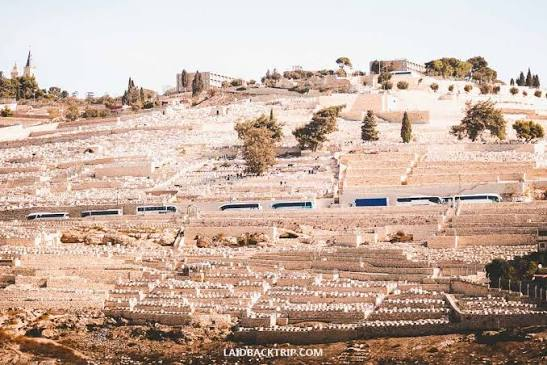
Today, the Mount of Olives is one of Jerusalem’s most popular destinations for travelers interested in history, religion, and culture. Visitors can explore ancient churches, historic viewpoints, and sacred locations while enjoying panoramic views of Jerusalem. Many guided tours include the Mount of Olives as a major stop because of its importance and remarkable scenery.
The best experiences often come from visiting with enough time to explore each landmark and understand its historical background. Travelers can walk through important religious sites, observe the ancient cemetery, and enjoy views that have inspired people for centuries. The Mount of Olives continues to attract visitors who want to connect with Jerusalem’s history in a meaningful way.
Interesting Facts About the Mount of Olives
The Mount of Olives is filled with fascinating facts that highlight its importance throughout history. One of the most notable facts is that the mountain has been a significant burial location for thousands of years. Its elevated position also provides one of the best views of Jerusalem’s Old City, making it both historically valuable and visually impressive.
Another interesting fact about the Mount of Olives is its connection to major religious events recorded in different traditions. The mountain has remained an important place for prayer, pilgrimage, and historical study. Its ability to preserve ancient stories while remaining an active destination today makes it one of Jerusalem’s most remarkable landmarks.
Conclusion
The Mount of Olives represents a powerful combination of history, religion, and cultural heritage. For thousands of years, this ancient ridge has played a central role in the story of Jerusalem and has remained meaningful to people from different backgrounds. Its biblical connections, historic sites, and breathtaking views continue to make it one of the most visited locations in the region.
Whether explored for religious reasons, historical interest, or travel experiences, the Mount of Olives offers a unique connection to the past. Its importance across Judaism, Christianity, and Islam ensures that it remains a timeless symbol of faith, history, and Jerusalem’s enduring legacy.
FAQs
Where is the Mount of Olives located?
The Mount of Olives is located east of Jerusalem’s Old City across the Kidron Valley.
Why is the Mount of Olives important?
The Mount of Olives is important because of its historical, biblical, and religious significance.
What happened at the Mount of Olives in the Bible?
The Mount of Olives is connected with events from Jesus’ life, including prayer at Gethsemane and the Ascension.
Can visitors tour the Mount of Olives today?
Yes, visitors can explore the Mount of Olives and its historic landmarks through tours and independent visits.
Why is it called the Mount of Olives?
It received its name because olive trees historically grew across its slopes.
You May Also Read: Desi Arnaz Jr Net Worth