

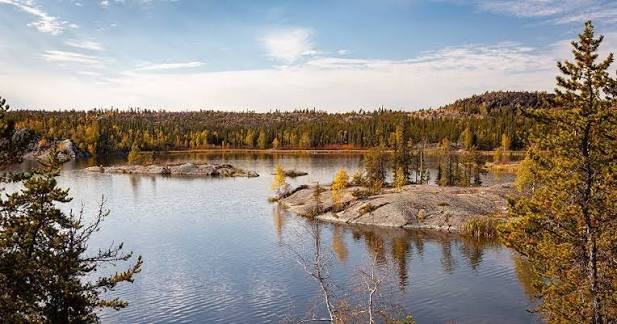
Great Slave Lake is one of the most impressive freshwater lakes in North America and a remarkable geographic feature of Canada. Located in the Northwest Territories, this enormous lake is famous for its incredible depth, vast size, natural beauty, and important role in the northern Canadian environment. A Great Slave Lake overview reveals a place where geography, wildlife, history, and human communities are deeply connected.
The lake has been an important part of northern Canada for thousands of years, supporting Indigenous communities, transportation routes, fishing activities, and local economies. Its remote location creates a unique wilderness environment filled with forests, waterways, and wildlife. Understanding Great Slave Lake helps people appreciate how natural landscapes shape the lives and cultures of the people who live nearby.
A Great Slave Lake map provides valuable information about its location, surrounding communities, connected rivers, and geographic features. Whether studied by students, researchers, or travelers, the lake offers important lessons about freshwater systems, northern environments, and Canada’s natural heritage.
Where Is Great Slave Lake Located?
Great Slave Lake is located in the Northwest Territories of Canada, making it one of the most significant geographic landmarks in the country’s northern region. A Great Slave Lake map shows the lake positioned within a vast wilderness area surrounded by forests, rivers, and northern landscapes. Its location places it among the most important freshwater resources in Canada.
The lake is connected to the Mackenzie River system, which is one of the largest river networks in North America. This connection gives Great Slave Lake an important role in the movement of water across northern Canada. Its location also influences transportation, climate patterns, and wildlife habitats throughout the surrounding region.
Because of its northern position, Great Slave Lake experiences dramatic seasonal changes. During winter, the lake can become covered with thick ice, while summer brings opportunities for boating, fishing, and exploration. The lake’s location makes it a unique destination for those interested in geography and wilderness environments.
Great Slave Lake Size and Depth Facts
Great Slave Lake is best known for being the deepest lake in North America. Its maximum depth reaches approximately 614 meters, making it deeper than many famous lakes around the world. This incredible depth is one of the main reasons Great Slave Lake attracts attention from scientists, geographers, and nature enthusiasts.
The lake also ranks among the largest lakes in Canada by surface area. Its enormous size includes many bays, islands, and long sections of shoreline that create a diverse landscape. The unusual shape of Great Slave Lake contributes to its unique geography and provides different environments for wildlife and human activities.
The depth and size of Great Slave Lake influence many aspects of the region. The deep waters support various fish species, while the large surface area affects weather conditions and transportation routes. These features make the lake an important part of Canada’s freshwater landscape.
The History and Origin of Great Slave Lake
The history of Great Slave Lake is closely connected to Indigenous peoples who have lived in the region for generations. The lake has provided food, transportation, and resources for communities that depend on its waters and surrounding lands. Fishing, hunting, and travel across the lake have been important parts of local traditions.
The name Great Slave Lake has historical connections to Indigenous groups and early explorers who recorded information about the region. Over time, the lake became an important location for trade, exploration, and settlement. Its waterways helped connect different communities throughout northern Canada.
Today, the history of Great Slave Lake continues to influence the identity of the surrounding region. The lake represents more than just a natural feature; it reflects centuries of relationships between people, culture, and the environment. Learning about its history provides a deeper understanding of northern Canadian heritage.
Communities Around Great Slave Lake
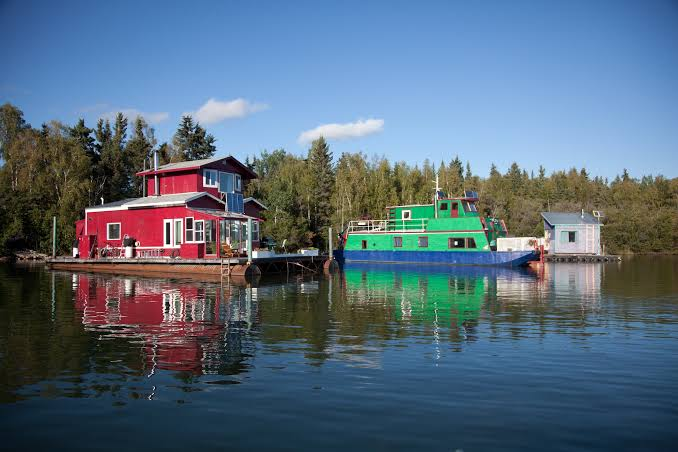
Several communities are located near Great Slave Lake, and each has developed a strong connection with the water. Yellowknife, the capital city of the Northwest Territories, is one of the most recognized communities associated with the lake. Other important locations include Hay River, Fort Resolution, and Behchokǫ̀.
These communities rely on Great Slave Lake for many activities, including fishing, transportation, tourism, and economic development. The lake provides opportunities for local businesses while also supporting traditional ways of life. Its resources continue to play an important role in the daily activities of people living in the region.
A Great Slave Lake map helps show how these communities are positioned around the shoreline. By understanding their locations, people can better appreciate the relationship between northern settlements and the natural environment that surrounds them.
Wildlife and Natural Environment of Great Slave Lake
Great Slave Lake supports a diverse ecosystem filled with fish, birds, and other northern wildlife. The surrounding forests, wetlands, and waterways create habitats for many species adapted to Canada’s northern climate. The lake environment plays an important role in maintaining regional biodiversity.
Fish species in Great Slave Lake support both recreational and commercial fishing activities. The lake is also home to different bird species that rely on the surrounding environment for feeding and nesting. The combination of water, forests, and open landscapes creates a rich natural area.
The environment around Great Slave Lake changes throughout the year. Winter brings freezing temperatures and ice-covered waters, while summer allows greater movement and outdoor activities. These seasonal changes create a unique ecosystem that continues to attract researchers and nature lovers.
Activities and Tourism Around Great Slave Lake
Great Slave Lake is a popular destination for visitors looking for outdoor adventures and northern wilderness experiences. The lake offers activities such as fishing, boating, camping, photography, and wildlife observation. Its peaceful surroundings and impressive landscapes make it an attractive location for travelers.
Fishing is one of the most popular activities around Great Slave Lake because of its diverse fish populations. Visitors often travel to the region to experience the beauty of the lake while enjoying outdoor recreation. The surrounding wilderness provides opportunities for exploration and relaxation.
Tourism around Great Slave Lake also helps support nearby communities. Visitors can experience the natural beauty of the area while learning about its history, culture, and environmental importance. The lake offers a rare opportunity to connect with one of Canada’s most unique northern landscapes.
Interesting Facts About Great Slave Lake
Great Slave Lake has many fascinating facts that make it stand out among the world’s freshwater lakes. It is the deepest lake in North America and one of Canada’s largest lakes. These features make it an important subject for geography studies and environmental research.
Another interesting fact about Great Slave Lake is its connection with the Mackenzie River system. The lake plays an important role in northern Canada’s water network and contributes to the movement of freshwater across the region. Its location and size make it a valuable natural resource.
The lake also holds cultural importance because of its long relationship with Indigenous communities. Its history, geography, and environment combine to make Great Slave Lake one of Canada’s most significant natural landmarks.
Why Great Slave Lake Matters Today
Great Slave Lake continues to be an important resource for northern Canada. It supports local economies, provides transportation routes, and contributes to scientific research. The lake’s freshwater resources and natural environment make it valuable for both current communities and future generations.
Protecting Great Slave Lake is important because environmental changes can affect its ecosystem. Conservation efforts help maintain water quality, protect wildlife, and preserve the natural beauty of the region. Sustainable management ensures that the lake remains an important resource.
The importance of Great Slave Lake extends beyond the Northwest Territories. It represents the connection between nature, culture, and geography. Its deep waters, historic communities, and unique environment make it a symbol of Canada’s northern wilderness.
Conclusion
Great Slave Lake is a remarkable natural wonder known for its incredible depth, large size, rich history, and environmental importance. From its location in the Northwest Territories to its connection with Indigenous communities and wildlife, the lake represents a unique part of Canada’s geography.
Exploring Great Slave Lake provides a better understanding of how natural resources influence communities, ecosystems, and cultures. Its impressive features continue to attract researchers, travelers, and geography enthusiasts who want to discover one of North America’s most fascinating freshwater lakes.
FAQs
Where is Great Slave Lake located?
Great Slave Lake is located in the Northwest Territories of Canada.
How deep is Great Slave Lake?
Great Slave Lake reaches a maximum depth of about 614 meters, making it the deepest lake in North America.
Why is Great Slave Lake famous?
Great Slave Lake is famous for its depth, size, history, and importance to northern Canada.
What communities are near Great Slave Lake?
Yellowknife, Hay River, Fort Resolution, and Behchokǫ̀ are important communities near the lake.
Can visitors explore Great Slave Lake?
Yes, visitors can enjoy fishing, boating, camping, wildlife viewing, and other outdoor activities around Great Slave Lake.
You May Also Read: Lake Victoria Map