

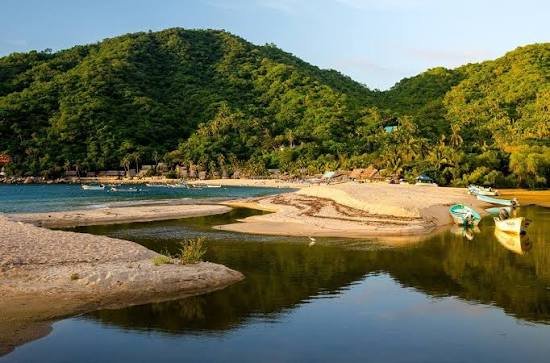
Jalisco is one of Mexico’s most culturally influential states, offering an impressive mixture of historic cities, Pacific beaches, mountain scenery, agave fields, traditional food, and famous music. Located in west-central Mexico, the state includes major destinations such as Guadalajara, Puerto Vallarta, Tequila, and Lake Chapala. Its cultural importance extends far beyond tourism because several traditions commonly associated with Mexican identity developed or became especially prominent in this region.
For American travelers, Jalisco can offer everything from beach vacations and urban sightseeing to food, music, and cultural experiences. However, visitors should also understand that travel conditions and security situations can vary considerably across the state. Planning carefully is essential, especially when traveling between cities or through less familiar areas. This guide explains what Jalisco is known for, where to visit, what to do, and what travelers should consider before making plans.
Where Is Jalisco in Mexico?
Jalisco is located in west-central Mexico and reaches the Pacific Ocean along its western edge. The state contains a remarkably varied landscape that includes coastal communities, fertile valleys, mountains, forests, lakes, and agricultural regions. Guadalajara, the capital and largest city, sits inland and serves as a major economic, cultural, educational, and transportation center. Jalisco’s geography makes it possible for travelers to experience very different landscapes during a single trip.
The state’s most famous destinations are spread across a considerable area. Puerto Vallarta lies on the Pacific coast, while Tequila is located northwest of Guadalajara in a region famous for blue agave cultivation. Lake Chapala sits southeast of Guadalajara, and mountain destinations such as Mazamitla provide a completely different atmosphere. Looking at a Jalisco map before traveling can help visitors understand distances and build a more realistic itinerary between the state’s major attractions.
What Is Jalisco Known For?
Jalisco is often described as one of the cultural heartlands of Mexico because several internationally recognized Mexican traditions are strongly associated with the state. Mariachi music has deep roots here, while charrería, Mexico’s traditional equestrian culture, remains another important symbol of regional identity. The town of Tequila and the surrounding agave-growing landscape have also made Jalisco inseparable from the history and production of Mexico’s famous distilled spirit.
Food adds another important dimension to Jalisco’s reputation. Birria is among the dishes most closely associated with the region, while Guadalajara offers traditional markets, family restaurants, street food, and modern dining. Crafts, festivals, religious traditions, architecture, and Indigenous heritage provide further cultural depth. These elements help explain why Jalisco is more than a collection of tourist destinations; it is a state whose traditions have influenced how Mexican culture is recognized around the world.
Is Jalisco Safe to Visit?
Safety in Jalisco cannot be answered with a simple yes or no because conditions vary by destination, route, and time. Popular tourism areas may have different security conditions from rural communities or highway corridors. American travelers should review the latest U.S. Department of State Mexico Travel Advisory immediately before booking and again before departure. Official guidance is more reliable than older travel blogs because security recommendations and transportation restrictions can change.
Travelers should also use established transportation services, avoid displaying expensive belongings, remain aware of their surroundings, and follow local authority or accommodation guidance. Driving between destinations deserves particular attention because routes that appear convenient on a map may not always be recommended. Google search interest strongly reflects these concerns, with “Is it safe to go to Jalisco right now?” appearing prominently among common questions about the state.
Guadalajara: The Cultural Capital of Jalisco
Guadalajara is Jalisco’s capital and one of Mexico’s most important urban centers. The city combines historic architecture with modern business districts, universities, restaurants, museums, art spaces, and technology industries. Guadalajara Cathedral is among its best-known landmarks, while central plazas and historic buildings offer an introduction to the region’s architectural heritage. Visitors interested in Mexican history, culture, music, and food can easily spend several days exploring the metropolitan area.
Nearby Tlaquepaque offers another distinctive cultural experience and is especially known for handicrafts, pottery, galleries, restaurants, and mariachi traditions. Zapopan is also part of the wider metropolitan area and includes religious landmarks, museums, shopping districts, and contemporary neighborhoods. Together, Guadalajara, Tlaquepaque, and Zapopan give travelers a broader picture of urban life in Jalisco, ranging from traditional craftsmanship and historic architecture to modern entertainment and economic development.
Puerto Vallarta and the Pacific Coast
Puerto Vallarta is one of the best-known vacation destinations in Jalisco and attracts visitors with Pacific beaches, restaurants, art, nightlife, and dramatic coastal scenery. The Malecón waterfront is a central part of the experience, offering ocean views, public sculptures, shops, restaurants, and evening activity. Areas such as Zona Romántica and Los Muertos Beach provide a lively atmosphere that feels very different from the inland cities and highland communities elsewhere in the state.
The surrounding coastline also provides opportunities for boat trips, snorkeling, fishing, beach visits, and seasonal wildlife experiences. Nearby communities can offer quieter alternatives to the city’s busier tourism zones. Travelers should still check local weather, ocean conditions, transportation options, and current travel guidance before planning excursions. Puerto Vallarta’s popularity makes it one of the most recognizable destinations in western Mexico, but careful planning remains valuable even in established resort areas.
Tequila and the Agave Landscape
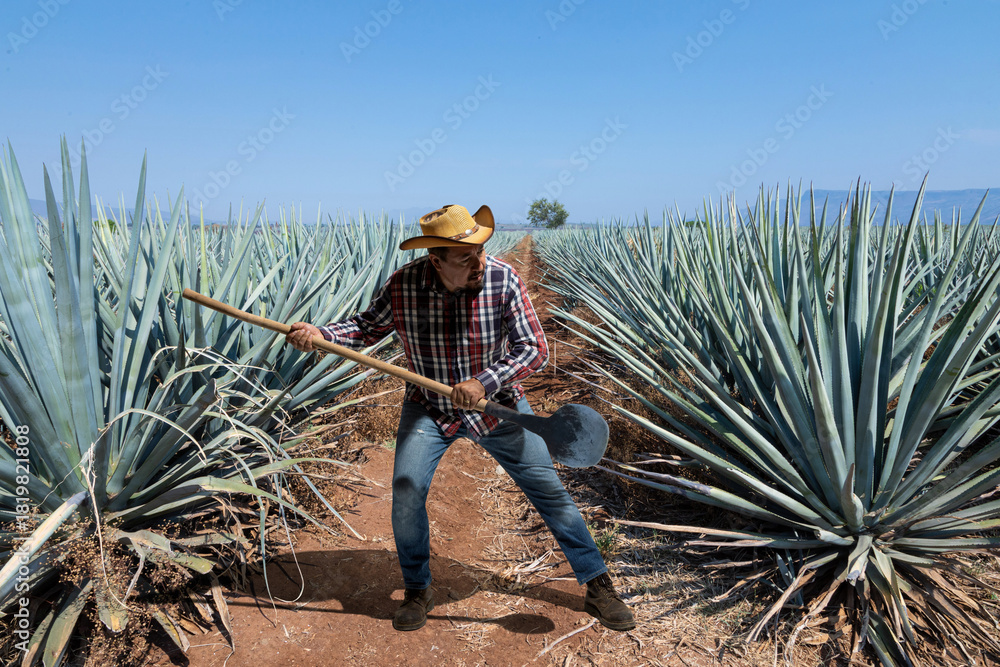
The town of Tequila is one of Jalisco’s most distinctive cultural destinations. Surrounded by blue agave fields, the area is closely connected with the development and production of the spirit that shares its name. Visitors can explore traditional streets, museums, distilleries, and surrounding agricultural landscapes while learning how agave is cultivated, harvested, and transformed. The broader agave landscape has become an internationally recognized symbol of Jalisco’s agricultural and cultural heritage.
Travelers visiting Tequila should think of the destination as more than a place for tastings. Its appeal includes regional history, agricultural traditions, architecture, craftsmanship, and the relationship between local communities and agave production. Organized tours from Guadalajara can make transportation easier, particularly for visitors who do not want to drive. Responsible consumption is also important, especially when combining distillery visits with transportation or other activities during the same day.
Best Things to Do in Jalisco
Jalisco offers enough variety to suit travelers with very different interests. Culture-focused visitors can explore Guadalajara Cathedral, museums, galleries, and artisan neighborhoods. Beach travelers can spend time along Puerto Vallarta’s coastline, while visitors interested in regional history can travel to Tequila and surrounding agave country. Lake Chapala, Ajijic, Tlaquepaque, Zapopan, Mazamitla, and Yelapa add additional options involving lakes, art, forests, waterfalls, crafts, and outdoor recreation.
A well-planned trip does not need to include every famous destination. Travelers interested mainly in food and culture might focus on Guadalajara, Tlaquepaque, and Tequila, while those seeking beaches could spend more time around Puerto Vallarta. Nature-focused visitors may prefer mountain communities or Lake Chapala. Choosing destinations by interest helps reduce unnecessary travel time and creates a more enjoyable itinerary than attempting to cover the entire state during a short vacation.
Jalisco Food, Mariachi, and Local Culture
Food is one of the most memorable ways to experience Jalisco. Birria is strongly connected with regional cuisine, but local dining extends far beyond a single specialty. Markets, neighborhood restaurants, bakeries, street vendors, and contemporary chefs all contribute to the food scene. Guadalajara is particularly useful for travelers who want to explore several styles of cooking, while smaller towns can offer regional dishes shaped by local agricultural products and family traditions.
Mariachi music is equally important to Jalisco’s cultural identity. The state’s musical traditions are closely connected with celebrations, public performances, family gatherings, and national culture. Charrería, crafts, tequila production, festivals, religious traditions, and regional clothing add other layers to the cultural experience. Many iconic images associated with Mexico have historical connections to Jalisco, which helps explain the state’s unusually strong influence on the country’s international cultural image.
Jalisco Travel Tips for American Visitors
American travelers should prepare for Jalisco by checking official travel advisories, weather forecasts, accommodation details, airport transportation, and local transportation options. Guadalajara and Puerto Vallarta are major arrival points, but moving between destinations can require significant travel time. Visitors planning to drive should research routes carefully rather than assuming the shortest digital-map option is always the best choice. Travel insurance can also provide useful protection against unexpected disruptions.
Keeping copies of important documents, using reputable transportation, and learning basic Spanish phrases can make travel easier. Visitors should also consider seasonal weather differences because coastal Puerto Vallarta can feel much warmer and more humid than inland or higher-elevation destinations. Reserving popular activities in advance may be useful during busy periods. Most importantly, travelers should remain flexible because weather, transportation, local events, or updated security guidance can require itinerary changes.
Conclusion
Jalisco offers one of Mexico’s richest combinations of culture, landscapes, food, and travel experiences. Guadalajara provides history and urban energy, Puerto Vallarta delivers Pacific beaches and coastal entertainment, Tequila introduces visitors to agave heritage, and Lake Chapala offers a more relaxed setting. Mariachi, birria, charrería, crafts, and regional traditions connect these destinations through a cultural identity that has influenced Mexico far beyond the state’s borders.
Travelers should balance enthusiasm with careful preparation, particularly when considering safety and transportation. Checking current official guidance, selecting destinations thoughtfully, and understanding distances can make a significant difference when building an itinerary. Jalisco is large and diverse enough that no single city represents the whole state. Exploring it responsibly allows travelers to appreciate why this part of Mexico remains so culturally important and why its cities, landscapes, and traditions continue attracting visitors.
Frequently Asked Questions
Is Jalisco safe for American tourists?
Safety conditions vary significantly throughout the state. American travelers should review the latest U.S. Department of State travel advisory and destination-specific guidance before booking transportation, accommodations, or activities.
What is Jalisco famous for?
Jalisco is particularly famous for tequila, mariachi music, charro traditions, birria, Guadalajara, Puerto Vallarta, blue agave landscapes, crafts, beaches, and several traditions closely associated with Mexican identity.
Is Guadalajara the same as Jalisco?
No. Jalisco is one of Mexico’s states, while Guadalajara is its capital and largest city. The state also includes Puerto Vallarta, Tequila, Lake Chapala, and many other destinations.
Is Puerto Vallarta in Jalisco?
Yes. Puerto Vallarta is located on Jalisco’s Pacific coast and is one of the state’s most popular tourism destinations, particularly for beaches, dining, nightlife, art, and ocean activities.
What are the best places to visit in Jalisco?
Popular destinations include Guadalajara, Puerto Vallarta, Tequila, Tlaquepaque, Lake Chapala, Ajijic, Zapopan, Mazamitla, and Yelapa. The best choices depend on whether travelers prefer culture, beaches, food, history, or nature.
You May Also Read: Sinaloa Mexico