

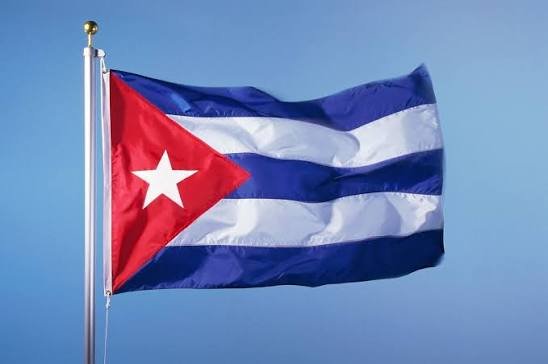
The Cuba flag is one of the most recognized national symbols in the Caribbean and represents the history, struggles, and identity of the Cuban nation. With its five alternating blue and white stripes, red triangle, and single white star, the flag carries important meanings connected to independence, freedom, and unity. Many people search for information about the Cuba flag because they want to understand the story behind its unique design and the historical events that shaped its creation.
The Cuban flag is more than a national decoration displayed at official events. It represents the hopes and sacrifices of generations who fought for independence and national recognition. Every part of the flag has a purpose, from the colors to the star placed inside the triangle. Learning about the Cuba flag helps people understand Cuban culture, history, and the powerful symbols that continue to represent the country today.
History of the Cuba Flag: Origin and Development
The history of the Cuba flag begins in the 19th century during a period when Cuba was seeking independence and greater control over its future. The design was created in 1849 and became closely connected with independence movements that wanted to establish a free Cuban nation. During this time, symbols played an important role in bringing people together and expressing shared hopes for political change and national identity.
The creation of the flag is widely associated with Narciso López, a Venezuelan-born military leader who supported Cuban independence. He introduced the design with the goal of creating a symbol that represented freedom and unity. Over time, the flag became an important part of Cuban history and was officially adopted as the national flag on May 20, 1902, when Cuba became a republic. Since then, it has remained a powerful representation of Cuban independence and pride.
Cuba Flag Design: Colors, Shapes and Features Explained
The Cuba flag has a simple but meaningful design that makes it easily recognizable around the world. The flag features five horizontal stripes, including three blue stripes and two white stripes. On the left side, there is a red triangle that contains a white five-pointed star. Each part of the design was carefully chosen to represent important values and historical ideas connected to Cuba.
The blue and white stripes create a balanced pattern that reflects different aspects of Cuban history. The red triangle adds a strong visual contrast and represents courage, sacrifice, and the determination of those who fought for independence. The white star inside the triangle, known as La Estrella Solitaria or the Lone Star, is one of the most important features of the Cuba flag and represents freedom and independence.
Meaning of Cuba Flag Colors and Symbols
The colors and symbols of the Cuba flag have deep historical meanings that connect with the country’s national story. The blue stripes are often explained as representing the three historical regions of Cuba, while the white stripes symbolize the purity of the independence movement and the peaceful goals of the Cuban people. These elements show the importance of unity and national purpose.
The red triangle on the Cuba flag represents the blood, bravery, and sacrifices made during the struggle for independence. It also represents strength and determination. The white star inside the triangle is a symbol of independence and freedom. Known as La Estrella Solitaria, the star reflects the idea of a strong and united Cuba. Together, these elements create a design that tells the story of a nation’s journey toward independence.
Cuba Flag and Cuban Independence Movement
The Cuba flag has a strong connection with the country’s independence movement and historical struggles. During the 19th century, the flag became a symbol used by people who wanted freedom from colonial rule. It represented the desire for self-government and became a source of inspiration during important moments in Cuban history.
Throughout different periods, the flag continued to represent national pride and identity. It was displayed during independence efforts, political changes, and important national events. For many Cubans, the Cuba flag represents the sacrifices of previous generations and the importance of maintaining a connection with their homeland and cultural heritage.
Interesting Facts About the Cuba Flag
The Cuba flag has many interesting facts that make it unique among national flags. One of the most notable facts is that its design has remained almost unchanged since it was created in 1849. While many countries have changed their flags over time, Cuba has continued using the same historic design as a symbol of continuity and tradition.
Another interesting fact about the Cuba flag is its nickname, the Flag of the Lone Star. This name comes from the single white star located inside the red triangle. The star has become one of the most recognizable symbols associated with Cuba. The flag is also often compared with the Puerto Rico flag because both designs share similar colors and patterns influenced by Caribbean history.
Cuba Flag Around the World and Cultural Importance
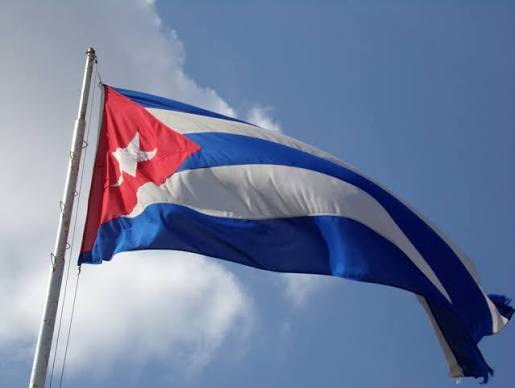
The Cuba flag is displayed not only inside Cuba but also by Cuban communities around the world. People use the flag during cultural festivals, national celebrations, and international events to represent their connection with Cuban history and traditions. It serves as a reminder of shared heritage and national identity for many people living outside the country.
The cultural importance of the Cuba flag extends beyond politics. It represents music, traditions, history, and the experiences of Cuban people. Whether displayed at official ceremonies or community gatherings, the flag continues to serve as a symbol that connects people with the story and culture of Cuba.
Cuba Flag Compared With Puerto Rico Flag
The Cuba flag and Puerto Rico flag are often compared because they have similar colors, patterns, and historical connections. Both flags include blue and white stripes, a triangle design, and a star. These similarities come from the influence of Caribbean independence movements during the 19th century.
Although the two flags look similar, there are important differences. The Cuba flag uses a red triangle with a white star, while the Puerto Rico flag uses a blue triangle with a white star. The arrangement of stripes and colors also differs. Understanding these details helps people identify each flag and appreciate the unique history behind both designs.
Conclusion
The Cuba flag is a powerful symbol that represents history, independence, and national pride. Its blue stripes, white stripes, red triangle, and Lone Star each carry meanings connected to Cuba’s journey and cultural identity. From its creation during the independence movement to its official adoption in 1902, the flag has remained an important part of the country’s story.
Understanding the Cuba flag allows people to appreciate the historical events, struggles, and values represented through its design. It is not simply a national symbol but a reminder of freedom, unity, and the experiences that shaped Cuba. The flag continues to represent Cuban identity both within the country and among communities around the world.
Frequently Asked Questions
What do the colors on the Cuba flag mean?
The blue stripes represent historical regions of Cuba, white stripes represent purity and ideals, and the red triangle represents courage and sacrifice.
When was the Cuba flag created?
The Cuba flag was created in 1849 and officially adopted as the national flag on May 20, 1902.
Who designed the Cuba flag?
The design of the Cuba flag is commonly associated with Narciso López, who introduced the flag design during the independence movement.
What does the star on the Cuba flag represent?
The white star, called La Estrella Solitaria, represents independence, freedom, and unity.
Why is the Cuba flag similar to the Puerto Rico flag?
Both flags have historical connections to Caribbean independence movements, which influenced their similar colors and designs.
How many stripes are on the Cuba flag?
The Cuba flag has five horizontal stripes, including three blue stripes and two white stripes.
You May Also Read: Communism vs Socialism