

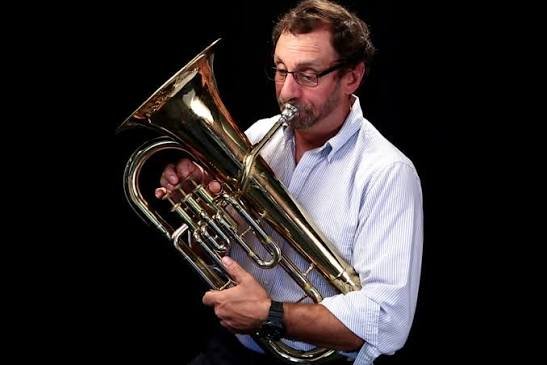
The euphonium is a unique brass instrument that has earned a special place in concert bands, military bands, and brass ensembles around the world. Known for its warm, rich, and smooth sound, the instrument creates a musical experience that combines the depth of a tuba with the flexibility of a smaller brass instrument. Many musicians appreciate the euphonium because it can perform powerful melodies while also producing soft and emotional tones.
Although the euphonium is not as commonly recognized as the trumpet or guitar, it plays an important role in musical groups. Its balanced sound allows it to support harmony while also taking the lead in many performances. From beginner music programs to professional stages, the instrument continues to attract players who enjoy expressive and beautiful brass sounds.
What Is a Euphonium and How Does It Create Sound?
The euphonium is a medium-sized brass instrument with valves and a conical bore design. It is usually pitched in B-flat and belongs to the low brass family. The instrument has a similar appearance to a small tuba, but it produces a brighter and more flexible tone that makes it suitable for many different musical styles.
A euphonium creates sound when the player buzzes their lips into a cup-shaped mouthpiece. The vibration travels through the instrument’s long metal tubing, creating musical notes. Players control the pitch by changing their lip vibration, air pressure, and valve combinations. The wide tubing gradually expands toward the bell, which gives the instrument its famous warm and mellow sound.
History of the Euphonium and Its Development Over Time
The history of the euphonium began during the 19th century when musicians and instrument makers were experimenting with improved brass instruments. The invention of valves allowed brass instruments to play more notes with greater accuracy, leading to the development of new designs, including the euphonium.
The instrument became popular in British brass bands, military groups, and community ensembles because of its strong yet gentle voice. Over the years, manufacturers improved the design by creating better valve systems, improved tuning features, and stronger materials. These improvements helped the euphonium become a reliable instrument for both amateur and professional musicians.
Today, the euphonium remains an important part of modern brass music. It is commonly used in schools, universities, competitions, and professional performances. Its long history shows how the instrument has successfully adapted while keeping its original musical character.
The Main Parts of a Euphonium and Their Functions
The euphonium is made with several important parts that work together to create its unique sound. The mouthpiece is the first point where the player produces vibration. It helps transfer the player’s air and lip movement into the instrument, beginning the sound production process.
The valve section is another essential part because it changes the length of the air path inside the instrument. Most euphoniums have three or four valves that allow musicians to play different notes. The tuning slides help adjust the pitch, while the large bell spreads the sound outward and gives the instrument its powerful projection.
Proper maintenance of each part is important for keeping a euphonium in excellent condition. Regular cleaning, valve oil application, and careful storage help prevent problems and maintain the instrument’s smooth performance. A well-maintained euphonium can provide years of enjoyable playing.
Why the Euphonium Has a Warm and Powerful Sound
The sound of a euphonium is one of its most recognizable qualities. Unlike many brass instruments that produce sharper or brighter tones, the euphonium creates a deep, round, and emotional sound. This makes it ideal for musical pieces that require expression and smooth transitions between notes.
The instrument’s conical bore is the main reason behind its warm tone. As the tubing becomes wider from the mouthpiece to the bell, the sound waves develop a softer and fuller quality. This design allows musicians to create both gentle melodies and strong musical passages.
Because of its unique sound, the euphonium is often used for solos and important musical sections in brass compositions. Many composers choose this instrument when they want a voice that feels both powerful and emotional. Its ability to blend with other instruments also makes it valuable in large ensembles.
Euphonium Compared With Other Brass Instruments
The euphonium is often compared with the tuba and baritone horn because these instruments share similar characteristics. However, each instrument has its own role and sound quality. The tuba is larger and produces much deeper bass notes, while the euphonium offers a higher range with more flexibility for melodies.
The baritone horn looks similar to the euphonium, but the two instruments have differences in their internal design. A euphonium usually has a wider conical bore, creating a darker and richer sound. A baritone horn often has a more cylindrical shape, which gives it a slightly brighter tone.
Understanding these differences helps musicians choose the right instrument for their needs. The euphonium stands out because it combines the strength of low brass instruments with the musical flexibility needed for expressive performances.
Learning to Play the Euphonium for Beginners
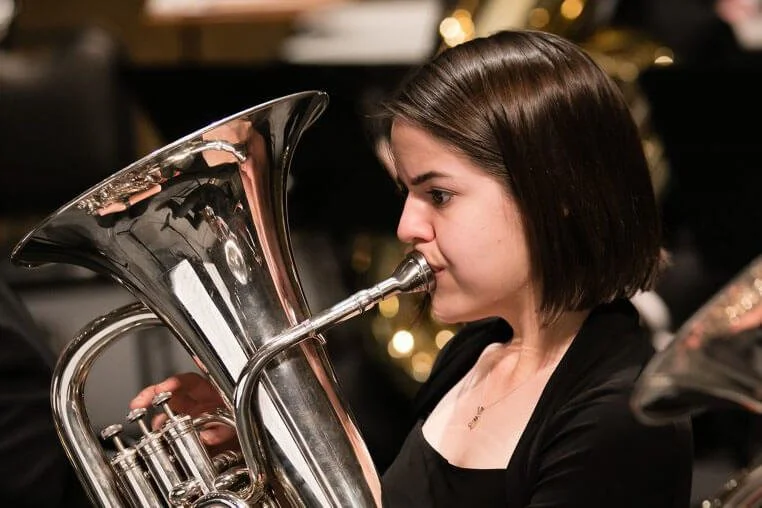
Learning the euphonium can be a rewarding experience for new musicians. The instrument has a comfortable playing range and produces a pleasant sound even during the early stages of practice. Beginners usually start by learning basic breathing techniques, correct posture, and proper mouthpiece placement.
Consistent practice is important for developing control and confidence. New players need to improve their ability to create clear notes, change pitches smoothly, and maintain steady airflow. Simple exercises and regular lessons can help beginners build strong musical foundations.
Many schools introduce students to the euphonium because it teaches valuable skills that apply to other brass instruments. With dedication and patience, beginners can progress from simple melodies to advanced musical performances.
The Role of the Euphonium in Modern Music
The euphonium continues to play an important role in modern music. It is widely used in concert bands, brass ensembles, marching groups, and educational programs. Its ability to produce both strong and emotional sounds makes it suitable for many musical situations.
Professional euphonium players have helped increase awareness of the instrument through solo performances and recordings. Their work shows that the euphonium is not only a supporting instrument but also a powerful solo voice capable of complex musical expression.
Modern composers continue to write new music for the euphonium, allowing the instrument to grow beyond traditional band settings. Its expanding popularity proves that this brass instrument still has an exciting future in the world of music.
Choosing the Right Euphonium and Caring for Your Instrument
Selecting the right euphonium depends on the player’s skill level, budget, and musical goals. Beginners often choose student models that are easier to handle, while advanced players may invest in professional instruments with better materials and improved sound quality.
Important features to consider include valve performance, instrument weight, tuning ability, and overall construction. A high-quality euphonium can make playing more comfortable and help musicians achieve better sound control.
Taking care of the instrument is equally important. Players should clean the tubing, maintain the valves, remove moisture after playing, and store the euphonium safely. Proper care protects the instrument and ensures consistent performance for many years.
Conclusion
The euphonium is a remarkable brass instrument with a rich history, beautiful sound, and unique musical personality. From its development in the 19th century to its role in modern performances, it has remained a favorite choice for musicians who value expression and versatility.
Its warm tone, flexible range, and powerful presence make it different from other brass instruments. Whether played by a beginner discovering music for the first time or a professional performing on stage, the euphonium continues to create memorable musical moments. Its lasting popularity proves that this instrument will remain an important part of the musical world for generations.
Frequently Asked Questions
What is a euphonium mainly used for?
A euphonium is mainly used in concert bands, brass bands, military music groups, and solo performances because of its rich and flexible sound.
Is a euphonium difficult to learn?
The euphonium is considered beginner-friendly, but regular practice is needed to develop strong breathing control and musical skills.
What makes a euphonium different from a tuba?
A euphonium is smaller and produces higher notes than a tuba. It also has a smoother and more flexible tone.
Why does the euphonium sound warm and mellow?
The conical bore design and wide bell help create the instrument’s deep, rounded, and warm sound.
How many valves does a euphonium have?
Most euphoniums have three or four valves that help players change notes and create different pitches.
Is euphonium good for beginners?
Yes, many students begin learning the euphonium because it has a comfortable range and a pleasant sound.
You May Also Read: Cities in France