


The Astronomer Vermeer is one of the most fascinating masterpieces created by Johannes Vermeer during the Dutch Golden Age. Completed in 1668, this famous oil painting presents a scholar deeply engaged in studying astronomy and exploring the mysteries of the universe. The artwork reflects Vermeer’s ability to transform a simple indoor scene into a meaningful representation of human curiosity, intelligence, and the search for knowledge. Through carefully arranged objects, soft natural lighting, and realistic details, the painting continues to attract art historians, museum visitors, and researchers around the world.
The painting is admired not only for its beauty but also for the ideas hidden within its composition. The Astronomer Vermeer combines art and science by showing a person surrounded by tools and materials connected with learning. The artwork provides a glimpse into the intellectual atmosphere of the 17th century when astronomy, geography, and exploration were becoming important areas of study. Today, it remains one of the most studied works of Johannes Vermeer and an important example of European art history.
The History and Background of The Astronomer Vermeer
The Astronomer Vermeer was created in 1668 during a period known as the Dutch Golden Age, when the Netherlands became a center for artistic innovation, scientific progress, and global exploration. During this era, many scholars were interested in understanding the natural world through observation, mathematics, and scientific instruments. Vermeer captured this growing interest by portraying an astronomer who represents the intellectual spirit of the time.
Johannes Vermeer painted this artwork at a point when he was developing his reputation as a master of realistic interior scenes. The painting is often connected with another work called The Geographer, as both pieces focus on educated figures involved in exploring and understanding the world. These paintings show Vermeer’s interest in portraying individuals who were searching for knowledge beyond ordinary daily experiences.
Over the centuries, The Astronomer passed through different collections before becoming part of the Louvre Museum in Paris. Its journey through history has increased its importance as a cultural treasure. The painting now represents not only Vermeer’s artistic achievement but also the connection between creativity, science, and intellectual discovery during the 17th century.
Who Was Johannes Vermeer and Why Was He Important?
Johannes Vermeer was a Dutch painter who became famous for his detailed scenes, peaceful compositions, and extraordinary use of light. Although he created a limited number of paintings during his lifetime, his works are now considered some of the greatest achievements in Western art. Vermeer had a unique ability to capture quiet moments and transform them into powerful visual stories filled with meaning.
Many of Vermeer’s paintings focused on ordinary activities, including people reading, working, writing, or performing household tasks. However, he presented these simple moments with incredible precision and emotional depth. His famous works, including Girl with a Pearl Earring, The Milkmaid, and The Geographer, demonstrate his skill in creating realistic environments filled with atmosphere and symbolism.
The Astronomer Vermeer shows another important side of the artist’s creativity. Instead of focusing on domestic life, Vermeer explored the world of science and learning. The painting reveals his interest in intellectual subjects and demonstrates how he used art to represent human curiosity and the pursuit of knowledge.
The Astronomer Vermeer Painting Description and Visual Analysis
The Astronomer Vermeer depicts a scholar sitting inside a room while carefully studying scientific materials. The central figure appears focused and thoughtful, creating a peaceful atmosphere that invites viewers to imagine his intellectual journey. The carefully arranged objects around him provide clues about his profession and highlight the importance of astronomy during the 17th century.
One of the most noticeable objects in the painting is the celestial globe placed near the astronomer. This globe represents exploration of the universe and reflects the scientific curiosity of the period. The presence of books and other instruments strengthens the theme of education and discovery. Every object in the scene appears intentionally placed to create a deeper meaning.
Vermeer’s use of light is one of the most remarkable features of the artwork. Natural light enters the room and gently illuminates the figure and surrounding objects. This technique creates realistic depth and draws attention to important details. The careful balance of colors, shadows, and perspective shows why Vermeer is considered a master of realistic painting.
Meaning and Symbolism Behind The Astronomer Vermeer
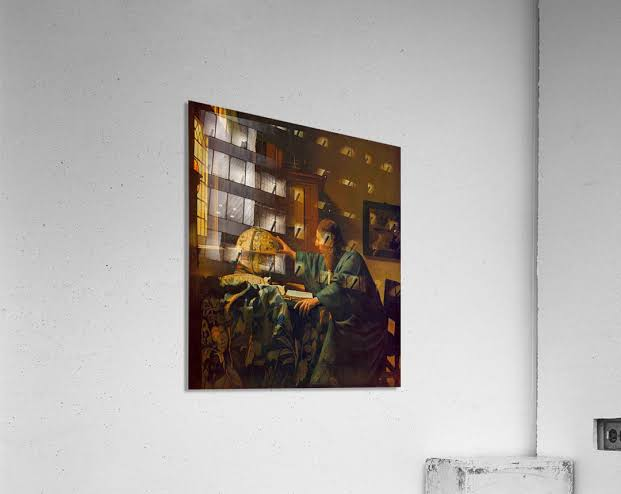
The Astronomer Vermeer contains many symbolic elements that represent human knowledge and exploration. The astronomer is not simply shown as a person studying stars; he represents humanity’s desire to understand the universe and discover answers to complex questions. The painting reflects the importance of intellectual growth during a time when science was rapidly developing.
The scientific instruments shown in the artwork carry significant meanings. The celestial globe represents the vastness of the universe and mankind’s attempt to explore unknown areas. The astrolabe represents measurement, accuracy, and scientific progress. Books in the scene symbolize education, research, and the importance of preserving knowledge for future generations.
Many historians believe that Vermeer created a connection between science and philosophy through this painting. The artwork suggests that studying the world requires patience, observation, and dedication. This deeper message is one reason why The Astronomer Vermeer continues to inspire discussions among art experts and audiences worldwide.
Artistic Techniques Used in The Astronomer Vermeer
Johannes Vermeer was known for his exceptional painting techniques, and The Astronomer demonstrates many of the qualities that made him famous. His careful use of light, realistic textures, and balanced composition creates a scene that feels natural and believable. Vermeer paid close attention to small details, allowing viewers to appreciate the materials, surfaces, and objects within the room.
The artist’s treatment of light and shadow creates a sense of depth and realism. Instead of using dramatic contrasts, Vermeer used gentle transitions that made the scene appear calm and natural. This approach helped create the quiet atmosphere that appears throughout many of his paintings.
Color selection also played an important role in the artwork. Vermeer combined warm and cool tones to create harmony throughout the composition. His ability to control every visual element helped transform The Astronomer Vermeer into a masterpiece that continues to influence artists and researchers.
Location, Size, and Important Facts About The Astronomer Vermeer
The Astronomer Vermeer is currently located at the Louvre Museum in Paris, France, where it remains one of the important artworks in the museum’s collection. The painting was created in 1668 using oil paint on canvas and measures approximately 51 centimeters by 45 centimeters. Despite its relatively small size, the artwork contains many layers of meaning and artistic detail.
The painting is recognized as one of Johannes Vermeer’s significant works because of its unique subject matter and connection to scientific themes. Unlike many traditional portraits, this artwork focuses on intellectual activity and presents learning as a meaningful human experience.
Another interesting fact about The Astronomer Vermeer is its relationship with The Geographer. Both paintings feature scholars surrounded by tools connected with exploration. Together, these artworks reveal Vermeer’s interest in representing knowledge, discovery, and the changing intellectual world of the Dutch Golden Age.
Conclusion
The Astronomer Vermeer remains a remarkable example of Johannes Vermeer’s artistic talent and intellectual vision. Through its combination of scientific themes, symbolic objects, and extraordinary painting techniques, the artwork represents humanity’s endless curiosity about the world and the universe.
Centuries after its creation, the painting continues to attract attention from historians, artists, and visitors. Its ability to connect science, art, and human imagination makes it one of Vermeer’s most important masterpieces. The Astronomer Vermeer is not only a beautiful painting but also a timeless reminder of the importance of knowledge and discovery.
FAQs
What is The Astronomer Vermeer about?
The painting shows a scholar studying astronomy and represents knowledge, exploration, and human curiosity about the universe.
Who created The Astronomer painting?
The Astronomer was created by Johannes Vermeer, a famous Dutch Golden Age painter.
When was The Astronomer Vermeer painted?
The artwork was completed in 1668 during the Dutch Golden Age.
Where can The Astronomer Vermeer be seen today?
The painting is displayed at the Louvre Museum in Paris, France.
What objects are shown in The Astronomer Vermeer?
The painting includes objects such as a celestial globe, books, and scientific tools related to astronomy.
Why is The Astronomer Vermeer famous?
The artwork is famous because it combines Vermeer’s masterful painting style with themes of science, discovery, and intellectual exploration.
You May Also Read: Narodowe Fundusze Inwestycyjne