

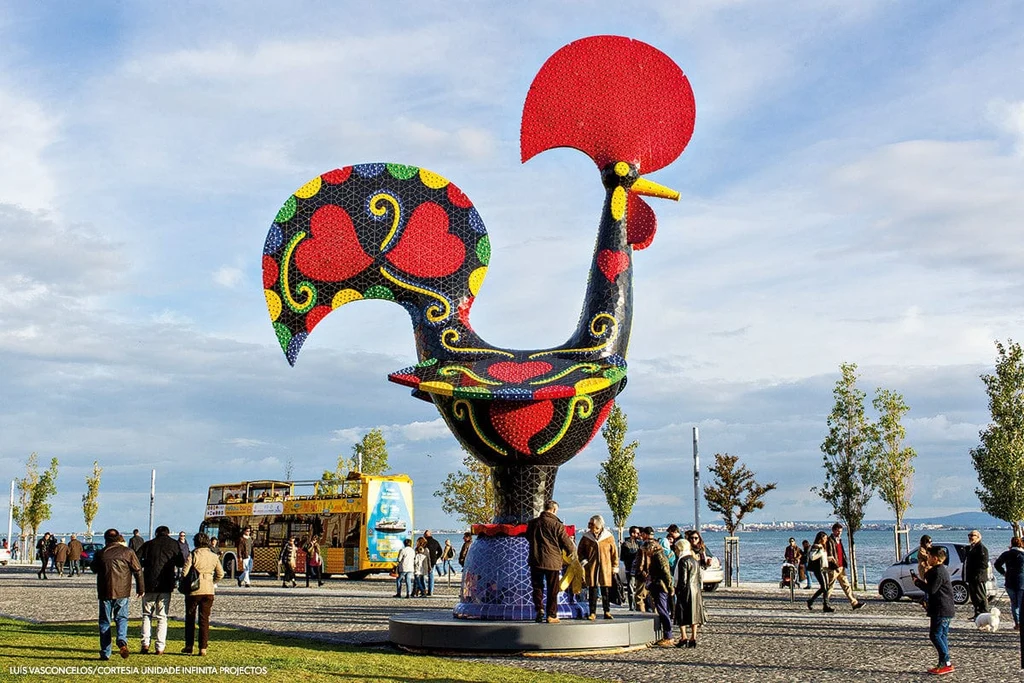
The Portuguese rooster is one of the most famous cultural symbols connected with Portugal’s history, traditions, and artistic identity. Known for its colorful appearance and detailed patterns, this traditional figure represents values such as honesty, faith, justice, hope, and good fortune. Although many people recognize it as a simple decorative item, the Portuguese rooster carries a much deeper meaning that comes from centuries of folklore and craftsmanship.
Across Portugal and among Portuguese communities worldwide, this symbol continues to attract attention because of its unique story and artistic beauty. Visitors often see it in markets, museums, homes, and souvenir shops. The combination of traditional design and meaningful legend has helped the Portuguese rooster become a memorable representation of Portuguese culture and heritage.
What Is the Portuguese Rooster (Galo de Barcelos)?
The Portuguese rooster, also called the Rooster of Barcelos or Galo de Barcelos, is a traditional decorative rooster associated with the town of Barcelos in northern Portugal. It is usually made from ceramic and painted with bright colors, including red, yellow, blue, green, and black. The design often includes hearts, flowers, and detailed patterns that reflect Portuguese folk art.
Unlike ordinary rooster decorations, the Portuguese rooster has a special cultural connection. It is recognized as an unofficial symbol of Portugal because of its connection to a famous legend and the values it represents. Many people view it as a reminder of truth, courage, and the importance of maintaining faith during difficult situations.
The traditional rooster design shows a proud standing bird with a raised tail and strong posture. This appearance represents confidence and positivity, which are important themes in Portuguese culture. Over time, the symbol has become a popular artwork collected by travelers and appreciated by art lovers around the world.
The Famous Legend Behind the Portuguese Rooster
The story behind the Portuguese rooster comes from an old legend connected to the town of Barcelos. According to the tale, a traveler from Galicia was passing through the town when he was wrongly accused of committing a serious crime. Despite claiming his innocence, he was sentenced to death by local authorities.
Before the execution took place, the man requested to speak with the judge who had sentenced him. During their meeting, he noticed a cooked rooster prepared for a meal and declared that the roasted rooster would stand up and crow to prove that he was innocent.
The legend says that when the execution was about to happen, the cooked rooster miraculously stood up and crowed. The judge realized that the traveler had spoken the truth and stopped the execution. This story became strongly connected with the Portuguese rooster and helped establish its meaning as a symbol of justice, faith, and hope.
History and Origins of the Rooster of Barcelos
The history of the Portuguese rooster is closely connected with Portuguese ceramic art and local craftsmanship. Barcelos became well known for its pottery traditions, where skilled artisans created handmade objects inspired by local stories, religious beliefs, and everyday life.
Over generations, artists developed the famous rooster design that is now recognized worldwide. The traditional style combined simple shapes with bright colors and decorative details. These handmade creations were not only artistic products but also cultural expressions that represented the identity of local communities.
During the twentieth century, the popularity of the Portuguese rooster expanded beyond Barcelos. Tourists visiting Portugal began purchasing these colorful figures as souvenirs, allowing the symbol to spread internationally. Today, the rooster remains an important example of Portuguese folk art and continues to be produced by modern artisans.
Meaning and Symbolism of the Portuguese Rooster
The Portuguese rooster represents several important values that are deeply connected with Portuguese culture. One of the strongest meanings associated with this symbol is good luck. Many people believe that displaying a rooster figure in their home can bring happiness, protection, and positive energy.
The symbol also represents honesty and justice because of the famous Barcelos legend. The story of the innocent traveler and the miraculous rooster reminds people about the importance of truth and fairness. These ideas have helped the rooster become more than just a decorative object.
The colorful appearance of the Portuguese rooster also reflects the cheerful spirit of Portuguese traditions. The bright patterns and artistic details represent creativity, celebration, and appreciation for beauty. For many Portuguese people, the rooster serves as a connection to their heritage and a reminder of their cultural roots.
Portuguese Rooster in Art, Culture, and Modern Life
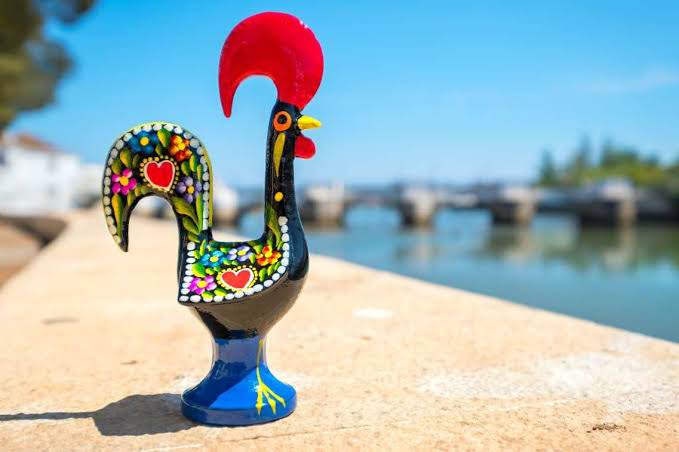
The Portuguese rooster continues to appear in many areas of Portuguese art and daily life. It can be found on ceramic figures, paintings, clothing designs, kitchen decorations, jewelry, and various handmade products. Artists often create both traditional and modern versions while keeping the original meaning alive.
In Portuguese homes, the rooster is commonly displayed as a decorative piece that represents tradition and good fortune. Many families keep these figures as cultural reminders, while others give them as gifts during special occasions because of their positive symbolism.
The popularity of the Portuguese rooster has also reached international audiences. Portuguese communities around the world use this symbol during cultural celebrations and events. It helps people maintain a connection with Portugal while sharing an important part of their heritage with others.
Where to Find Traditional Portuguese Rooster Artwork
Visitors who want to experience the authentic tradition of the Portuguese rooster often travel to Barcelos, where the symbol has its strongest cultural connection. The town is known for its local markets, craft shops, and traditional pottery, where visitors can find handmade rooster designs created by skilled artists.
Other Portuguese cities, including Lisbon and Porto, also offer many rooster-themed products. Tourists can find decorative figures, souvenirs, and artistic pieces in many stores and cultural markets. However, handmade pieces from local artisans are often considered more valuable because they represent traditional craftsmanship.
When buying a Portuguese rooster, many collectors look for authentic designs with detailed painting and traditional patterns. Handmade versions often have small differences that make each piece unique, showing the personal work and creativity of the artisan who created it.
Interesting Facts About the Portuguese Rooster
The Portuguese rooster is one of Portugal’s most recognizable cultural symbols, even though it is not an official national emblem. Its popularity comes from its connection to folklore, traditional art, and the values it represents.
One interesting fact is that the rooster design has changed over time while maintaining its traditional meaning. Modern artists sometimes create different colors and styles, but the main ideas of luck, honesty, and cultural pride remain the same.
Another interesting detail is that the Portuguese rooster is often associated with gifts and souvenirs. Many travelers choose it because it represents positive wishes and serves as a meaningful reminder of Portugal’s history and traditions.
Conclusion
The Portuguese rooster is much more than a colorful decoration. It is a symbol filled with history, tradition, and cultural meaning. From the famous legend of Barcelos to its role in Portuguese art, this symbol represents important values such as honesty, hope, justice, and good fortune.
Today, the Portuguese rooster continues to inspire artists, attract travelers, and connect people with Portugal’s heritage. Its unique design and powerful story have allowed it to remain one of the most beloved symbols of Portuguese culture. Whether displayed in a home or collected as a souvenir, the rooster continues to share the spirit and traditions of Portugal with the world.
FAQs
What is the Portuguese rooster called?
The Portuguese rooster is commonly called the Rooster of Barcelos or Galo de Barcelos.
What does the Portuguese rooster symbolize?
It symbolizes good luck, honesty, justice, faith, and Portuguese cultural identity.
Where did the Portuguese rooster originate?
The symbol originated in Barcelos, a town in northern Portugal known for traditional pottery.
Is the Portuguese rooster a national symbol?
It is not an official national symbol, but it is widely recognized as an important cultural symbol of Portugal.
Why do people buy Portuguese rooster souvenirs?
Many people buy them because they represent good fortune, tradition, and a connection to Portuguese heritage.
You May Also Read: Prudhoe Bay Alaska