

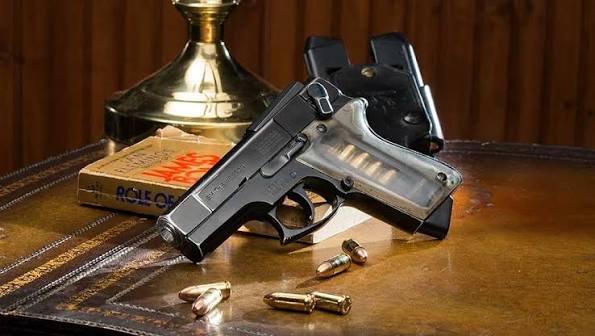
The Model 39 is one of the most historically important semi-automatic pistols created by Smith & Wesson. Introduced in the 1950s, it became a major milestone because it was among the first American-made double-action/single-action 9mm pistols. The handgun represented a shift toward modern pistol designs by combining reliable performance, lighter construction, and features inspired by successful European handgun systems.
The popularity of the Model 39 grew because it offered a practical balance between size, weight, and functionality. It attracted attention from collectors, law enforcement agencies, military historians, and firearm enthusiasts who appreciated its engineering. Even decades after production ended, the pistol continues to hold a respected place in firearm history because of its influence on later Smith & Wesson handgun designs.
What Is the Model 39?
The Model 39 is a semi-automatic 9mm pistol developed by Smith & Wesson during a period when American manufacturers were exploring more advanced handgun technology. Unlike many traditional pistols of its era, it introduced a double-action/single-action trigger system that gave users more flexibility and improved handling during operation. The pistol was designed as a modern service handgun with features that focused on reliability and ease of use.
The Smith & Wesson Model 39 featured a lightweight aluminum alloy frame, a steel slide, and a single-stack magazine system. These design choices helped reduce overall weight while maintaining durability. The pistol became an important example of how American firearm companies were adapting to changing demands for compact and efficient semi-automatic handguns.
History and Development of the Smith & Wesson Model 39
The development of the Model 39 began in the early 1950s when Smith & Wesson started working on a new service pistol design. The company wanted to create a handgun that could compete with modern military and police pistols. The project became connected with the 1954 U.S. Army service pistol trials, where manufacturers presented possible replacements for older handgun platforms.
Although the military did not officially adopt the pistol after the trials, Smith & Wesson decided to release the Model 39 commercially in 1955. The introduction marked an important moment because it brought a double-action 9mm semi-automatic pistol to the American market. Its success encouraged Smith & Wesson to continue improving semi-automatic handgun technology.
The Model 39 helped establish the company’s reputation in the semi-automatic pistol market. Its design concepts later influenced several generations of Smith & Wesson firearms, making it a foundation for future handgun development.
Design and Features of the Model 39
The Model 39 included several features that were considered advanced during its introduction. The pistol used a Browning-style short recoil operating system, which helped create smooth cycling and dependable performance. Its double-action/single-action trigger system allowed the first shot to be fired with a longer trigger pull while providing a lighter trigger action for following shots.
One of the most notable features of the Model 39 was its lightweight aluminum frame. This construction reduced the overall weight compared with many steel-framed pistols of the period. The handgun also included a slide-mounted safety and decocking lever, which improved handling and gave users more control over the firearm.
The four-inch barrel and ergonomic grip design contributed to the pistol’s practical performance. These features made the Model 39 suitable for professional use while also making it appealing to civilian shooters who wanted a classic American 9mm handgun.
Model 39 Specifications and Technical Details
The Model 39 was chambered for the popular 9x19mm Parabellum cartridge, which remains one of the most widely used handgun calibers worldwide. The pistol featured an 8-round single-stack magazine, providing a compact design that matched the expectations of handguns during the mid-20th century.
The original Model 39 had a steel slide, aluminum alloy frame, and a short recoil operating mechanism. Its double-action/single-action trigger system separated it from many other American pistols available at the time. The combination of lightweight construction and reliable operation made it an important step forward in handgun engineering.
Production continued for several decades, with updated versions improving certain mechanical aspects. The technical design of the Model 39 helped influence later Smith & Wesson pistols and contributed to the company’s development of more advanced semi-automatic handgun platforms.
Model 39 Military and Law Enforcement History
The Model 39 gained significant attention because of its connection with military and law enforcement applications. One of the most famous versions was the Mk 22 Mod 0, also known as the “Hush Puppy.” This specialized variant was developed for U.S. Navy SEAL operations and included modifications designed for quiet use.
The military connection helped create a legendary reputation around the pistol. The suppressed variant featured a suppressor and a slide-locking mechanism that reduced noise during operation. This specialized role made the Model 39 an interesting part of special operations firearm history.
Law enforcement agencies also recognized the value of the pistol. The Illinois State Police adopted the Model 39 during the 1960s, showing confidence in its reliability and practical design. Its lightweight frame and 9mm chambering made it a suitable duty handgun during its service years.
Model 39 Variants and Related Models
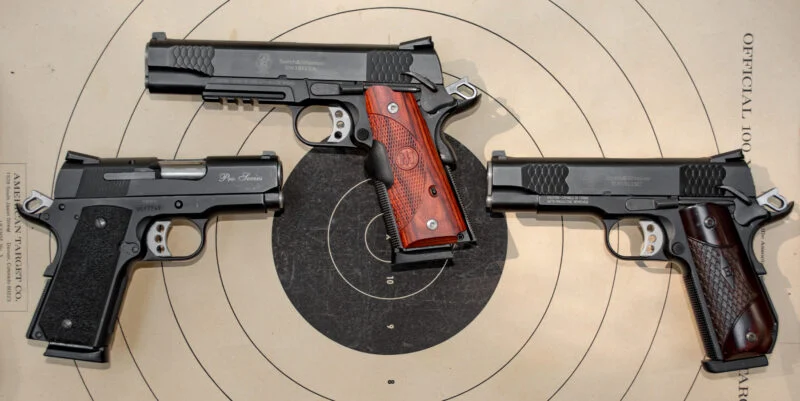
Over time, Smith & Wesson developed several variations based on the original Model 39 design. One of the most recognized updates was the Model 39-2, which included improvements to certain internal components and offered enhanced reliability compared with earlier versions.
The Model 39 platform also inspired custom conversions such as the ASP and Devel models. These modified versions focused on concealment and specialized applications, showing how adaptable the original design could be.
The influence of the Model 39 continued through later Smith & Wesson handgun generations. Models such as the 439, 639, and other second-generation pistols carried forward design ideas that began with the original platform.
Model 39 Collectibility and Modern Interest
Today, the Model 39 is mainly valued as a collectible handgun with historical importance. Many firearm collectors appreciate it because it represents a major transition period in American pistol development. Original examples with matching parts, excellent condition, or unique historical connections are especially interesting to collectors.
The value of a Model 39 depends on factors such as condition, rarity, original components, and specific variants. Military-related versions and unusual conversions often receive additional attention because of their connection to important historical events.
Although modern pistols offer higher magazine capacities and newer materials, the Model 39 remains respected for its pioneering design. It represents an important era when American handgun manufacturers were developing new approaches to semi-automatic pistol technology.
Model 39 Maintenance and Ownership Considerations
Maintaining a vintage Model 39 requires careful attention because production has ended. Owners usually focus on proper cleaning, safe storage, and preserving original components. Since replacement parts may not always be easy to find, careful maintenance helps protect the condition and value of these classic pistols.
Collectors often treat the Model 39 as a historical firearm rather than a modern everyday handgun. Regular inspection and proper care help maintain mechanical performance while preserving its importance as a piece of firearm history.
Model 39 Compared With Modern 9mm Pistols
Modern 9mm pistols have advanced significantly compared with the Model 39. Many current handguns feature polymer frames, higher-capacity magazines, improved ergonomics, and updated safety systems. These developments provide practical advantages for contemporary users.
However, the Model 39 remains historically significant because it introduced important design ideas that influenced future handgun development. Its double-action/single-action system and lightweight construction helped shape later Smith & Wesson models.
The difference between the Model 39 and modern pistols highlights how firearm technology has evolved. While newer designs may be more advanced, the Model 39 continues to attract attention because of its innovation and historical legacy.
Conclusion
The Model 39 remains one of the most influential handguns in Smith & Wesson history. Its introduction helped establish the company as a major competitor in the semi-automatic pistol market and demonstrated the potential of American-made double-action 9mm designs.
From military connections to law enforcement service and collector interest, the Model 39 has maintained its reputation for decades. Its innovative features, classic design, and historical importance ensure that it remains a respected firearm among enthusiasts and historians. The legacy of the Model 39 continues as a symbol of American handgun innovation and engineering progress.
FAQs
What is the Model 39?
The Model 39 is a Smith & Wesson 9mm semi-automatic pistol introduced in the 1950s and known for its double-action/single-action design.
When was the Model 39 released?
The Model 39 was commercially introduced by Smith & Wesson in 1955 after development during the 1954 U.S. Army pistol trials.
What caliber does the Model 39 use?
The Model 39 uses the 9x19mm Parabellum cartridge.
How many rounds does the Model 39 hold?
The original Model 39 uses an 8-round single-stack magazine.
Is the Model 39 still made today?
No, the Model 39 is no longer produced, but it remains popular among firearm collectors and historians.
You May Also Read: Duncan Hwy