

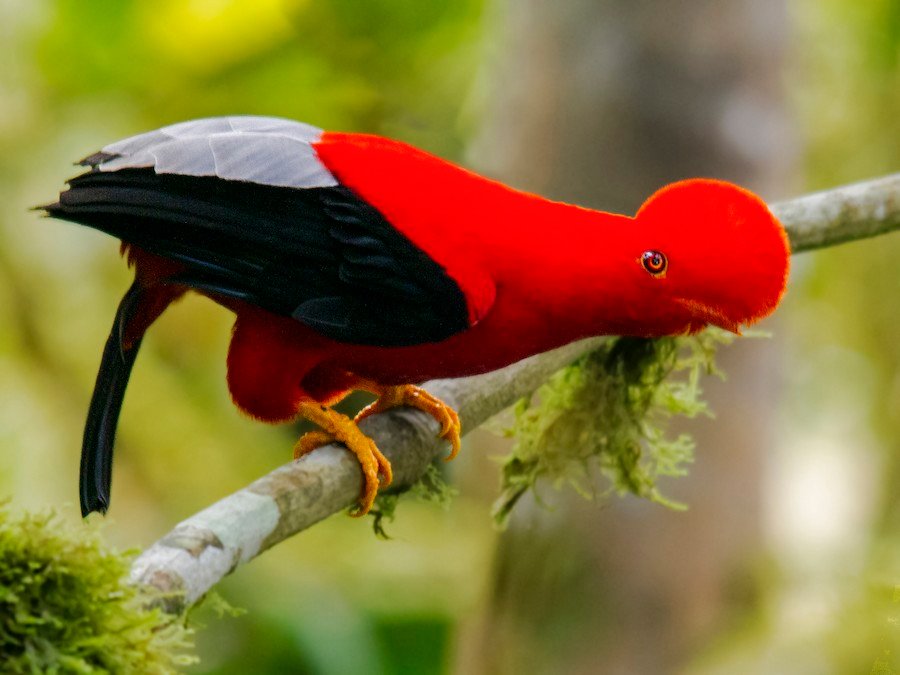
The Andean Cock-of-the-Rock is one of the most extraordinary and colorful birds found in South America. With its bright orange feathers, unusual fan-shaped crest, and fascinating behavior, this bird has become a favorite among wildlife photographers, birdwatchers, and nature enthusiasts. Found mainly in the cloud forests of the Andes Mountains, it represents the incredible biodiversity of one of the world’s most unique mountain ecosystems.
The Andean Cock-of-the-Rock, scientifically known as Rupicola peruvianus, is a member of the cotinga family and is recognized as the national bird of Peru. Its striking appearance and unique courtship rituals make it one of the most interesting birds to study. This complete guide explores its habitat, appearance, diet, behavior, reproduction, and conservation importance.
What Is the Andean Cock-of-the-Rock?
The Andean Cock-of-the-Rock is a large passerine bird that belongs to the cotinga family, a group of birds known for their beautiful colors and unusual characteristics. The species is native to the mountainous regions of western South America, especially the humid forests located along the Andes. Unlike common backyard birds, this species depends on specific forest environments where it can find food, shelter, and safe breeding areas.
The name “cock-of-the-rock” comes from its traditional description as a male bird associated with rocky forest landscapes. Male birds are much more colorful than females, which helps them stand out during breeding displays. The species has four recognized subspecies, each adapted to different regions of the Andes. These birds are important members of their ecosystems because they help maintain forest health through their feeding habits.
Appearance and Physical Features of the Andean Cock-of-the-Rock
The appearance of the Andean Cock-of-the-Rock is one of the main reasons this bird attracts worldwide attention. Male birds have vivid orange or reddish-orange plumage, a large rounded crest, and a powerful body structure. The oversized crest is one of their most recognizable features because it extends over the forehead and partially hides the bill. This unique design gives the bird an almost mythical appearance when seen in the wild.
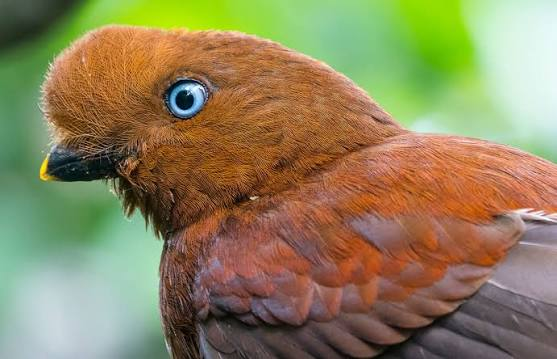
Female Andean Cock-of-the-Rock birds have a much quieter appearance compared to males. Their feathers are usually brown or dark orange, helping them blend into the forest surroundings while protecting their nests. This difference between males and females is common among many bird species where males use bright colors to attract mates. The combination of the male’s bright colors and the female’s natural camouflage helps the species successfully reproduce.
Habitat and Geographic Range of the Andean Cock-of-the-Rock
The Andean Cock-of-the-Rock lives in the cloud forests of the Andes Mountains, where high humidity, thick vegetation, and cooler temperatures create an ideal environment. These forests are located at medium to high elevations and are filled with a wide variety of plants, insects, and fruit-producing trees. The bird prefers areas with dense forest cover, rocky cliffs, and protected locations where it can safely build nests.
The geographic range of this species extends across several South American countries, including Peru, Ecuador, Colombia, Bolivia, and Venezuela. Peru is especially important because the bird is considered a national symbol and represents the country’s natural heritage. Cloud forests provide essential resources for survival, but these habitats are threatened by deforestation, agriculture, and human expansion. Protecting these forests is necessary for maintaining healthy populations of this remarkable bird.
Diet and Feeding Habits of the Andean Cock-of-the-Rock
The Andean Cock-of-the-Rock mainly follows a fruit-based diet, making it an important contributor to forest ecosystems. It consumes various types of tropical fruits that grow naturally in cloud forests. By eating fruits and moving between different areas, these birds help spread seeds throughout the forest. This process supports plant growth and helps maintain the natural balance of their environment.
Although fruits make up most of their diet, the Andean Cock-of-the-Rock may also eat small insects and other available food sources. Young birds especially may require additional nutrients from insects during their development. Their flexible feeding habits allow them to survive in changing forest conditions. As seed dispersers, these birds play a valuable role in helping forests regenerate and remain healthy.
Behavior and Courtship Displays of the Andean Cock-of-the-Rock
One of the most fascinating behaviors of the Andean Cock-of-the-Rock is its impressive courtship display. Male birds gather together in special areas known as leks, where they compete for the attention of females. During these gatherings, males perform energetic movements, make unique sounds, and show off their bright feathers. These performances demonstrate their strength, health, and ability to attract a mate.
The courtship process of the Andean Cock-of-the-Rock is considered one of the most remarkable bird displays in the world. Females carefully observe the males before selecting a partner. Unlike some bird species that form long-term pairs, males mainly focus on attracting females, while females handle nesting and raising young. This behavior provides researchers with valuable information about bird communication and natural selection.
Reproduction and Life Cycle of the Andean Cock-of-the-Rock
The reproduction process of the Andean Cock-of-the-Rock begins after successful courtship displays. Females usually select protected nesting locations such as rocky walls, caves, or hidden areas within the forest. These locations provide safety from predators and harsh weather conditions. Female birds build nests using natural materials and take primary responsibility for caring for eggs and young chicks.
After the eggs hatch, young birds remain dependent on their mothers while they grow stronger and develop their feathers. During this period, they learn important survival skills needed for life in the forest. As they mature, young birds gradually become independent and eventually participate in the natural cycle of the species. The life cycle of this bird shows the importance of safe habitats for successful reproduction.
Conservation Status and Importance of Protecting the Species
The Andean Cock-of-the-Rock is currently classified as a species with a stable population, but it still faces environmental challenges. The biggest threat is the destruction of cloud forest habitats caused by logging, farming, and expanding human settlements. Since this bird depends heavily on specific forest environments, habitat loss can affect food availability and breeding success.
Conservation efforts focus on protecting forests, supporting sustainable land use, and preserving important wildlife areas. Protecting the Andean Cock-of-the-Rock also benefits many other species that share the same ecosystem. Healthy cloud forests provide clean water, protect biodiversity, and support countless plants and animals. Conservation programs help ensure that this beautiful bird continues to survive in its natural environment.
Interesting Facts About the Andean Cock-of-the-Rock
The Andean Cock-of-the-Rock has many unique features that make it one of the most memorable birds in South America. It is famous for its bright colors, large crest, and unusual sounds that can be heard throughout forest habitats. The bird’s appearance has made it a popular subject for wildlife documentaries and nature photography.
Another interesting fact is that this bird holds cultural importance in Peru because it represents the country’s natural beauty. The Andean Cock-of-the-Rock is not only admired for its appearance but also valued for its role in maintaining forest ecosystems. Its connection with the Andes Mountains makes it a powerful symbol of the relationship between wildlife and natural landscapes.
Conclusion
The Andean Cock-of-the-Rock is a truly remarkable bird that combines beauty, unique behavior, and ecological importance. From its colorful feathers and dramatic courtship performances to its important role as a seed disperser, this species represents the incredible wildlife found in the Andes Mountains. Learning about this bird helps people understand why protecting natural habitats is essential.
Although the species currently remains stable, continued conservation efforts are important to protect its cloud forest home. The Andean Cock-of-the-Rock will continue to inspire bird lovers and researchers as long as its environment remains protected and preserved for future generations.
FAQs
What is the Andean Cock-of-the-Rock?
The Andean Cock-of-the-Rock is a colorful South American bird from the cotinga family known for its bright feathers and unique crest.
Where can the Andean Cock-of-the-Rock be found?
It can be found in Andean cloud forests across Peru, Ecuador, Colombia, Bolivia, and Venezuela.
What does the Andean Cock-of-the-Rock eat?
It mainly eats fruits but may also consume insects and other small food sources.
Why is the Andean Cock-of-the-Rock famous?
It is famous for its vivid appearance, unusual courtship displays, and importance as Peru’s national bird.
What is the scientific name of the Andean Cock-of-the-Rock?
The scientific name of this bird is Rupicola peruvianus.
You May Also Read: Diatonic Button Accordion