

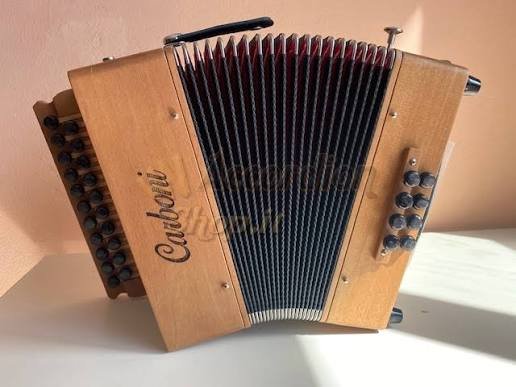
The diatonic button accordion is a fascinating traditional musical instrument that combines portability, rhythm, and expressive sound in a compact design. It belongs to the free-reed family of instruments and creates music through vibrating reeds controlled by airflow from the bellows. Unlike piano accordions, this instrument uses button rows instead of keys, allowing musicians to create melodies with a distinctive push-and-pull playing style. Its unique structure has made it popular among folk musicians, traditional performers, and cultural communities across the world.
Many musicians appreciate the diatonic button accordion because it offers a strong connection between the player and the music. The movement of the bellows allows performers to control volume, emotion, and rhythm naturally, giving each performance a personal touch. From European village dances to modern folk concerts, this instrument continues to represent musical heritage while attracting new players who want to explore traditional sounds and creative expression.
History and Origins of the Diatonic Button Accordion
The history of the diatonic button accordion dates back to the 19th century when European inventors began developing free-reed instruments that were smaller and easier to carry than traditional musical instruments. Early accordion designs focused on creating strong melodies with simple mechanics, making them useful for everyday musicians, traveling performers, and local communities. As the design improved, different regions adapted the instrument to match their own musical traditions and cultural styles.
Over time, the diatonic button accordion became an important part of folk music throughout Europe and later spread to other parts of the world. Countries such as Ireland, France, Germany, Italy, Mexico, and the United States developed unique playing techniques and musical styles around the instrument. Today, it remains closely connected with traditional celebrations, dance music, and cultural performances, preserving generations of musical history.
How the Diatonic Button Accordion Works
The diatonic button accordion works by using air pressure created through the movement of its bellows. When a musician opens or closes the bellows while pressing buttons, air passes through small metal reeds inside the instrument. These reeds vibrate and create musical tones, producing the recognizable sound associated with accordion music. The player controls the airflow, rhythm, and volume through careful bellows movement.
One of the most interesting features of the diatonic button accordion is its bisonoric or push-pull system. This means the same button can produce different notes depending on whether the bellows are being pushed inward or pulled outward. This design gives the instrument its lively character and allows musicians to create fast rhythmic patterns that are especially popular in traditional dance music.
Design, Structure, and Main Features of the Instrument
The design of the diatonic button accordion is based on several carefully connected parts that work together to create sound. The main components include the bellows, reed chambers, melody buttons, bass buttons, wooden or synthetic casing, and shoulder straps. Each part plays an important role in the instrument’s performance, comfort, and overall sound quality. The size and arrangement of these parts can vary depending on the model and musical tradition.
The melody side usually contains rows of buttons that follow a specific diatonic scale, while the bass side provides chords and rhythmic support. Some instruments have only one row of buttons, while others feature multiple rows that expand the musical possibilities. The quality of reeds, construction materials, and tuning system greatly influence the tone, making instrument selection an important decision for musicians.
Types and Popular Systems of Diatonic Button Accordions
There are several types of diatonic button accordions available, each designed for different styles of music and playing techniques. The one-row accordion is one of the simplest forms and is often used in traditional regional music. Two-row and three-row models provide additional notes and flexibility, making them suitable for more advanced players who want greater musical range and versatility.
Different regions have developed their own versions of the instrument. The Irish button accordion is known for fast melodies and energetic dance music, while Cajun accordions are strongly associated with Louisiana folk traditions. Mexican and Tex-Mex styles use the instrument for lively regional music, while European melodeons remain popular in traditional folk performances. Each system has its own tuning, button layout, and musical identity.
Sound Characteristics and Musical Importance
The sound of the diatonic button accordion is one of its most recognizable features. It produces a bright, expressive, and rhythmic tone that can easily fill a room without electronic amplification. The interaction between the bellows and reeds allows musicians to create emotional performances with changes in volume, speed, and musical emphasis. This expressive quality is one reason the instrument remains popular among traditional performers.
The instrument plays a major role in many musical genres around the world. It appears in Irish folk music, Cajun and Zydeco styles, Alpine traditions, Mexican regional music, and many European cultural performances. Its ability to create both melody and rhythm makes it especially valuable for dance music, where musicians need an instrument that can provide energy and movement.
Learning to Play the Diatonic Button Accordion
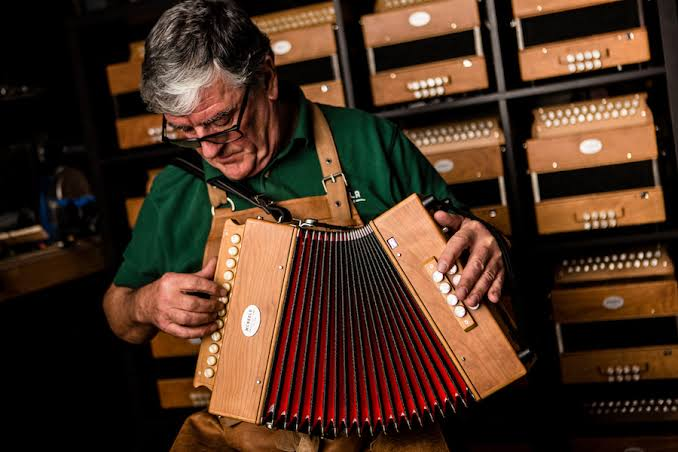
Learning the diatonic button accordion can be an enjoyable experience for beginners because basic melodies can often be played after learning simple button patterns and bellows control. New players usually begin by understanding how the instrument responds to pushing and pulling movements. Developing coordination between both hands is essential because the melody and bass sections work together to create complete musical arrangements.
Although beginners can make progress quickly, mastering the instrument requires patience and regular practice. Advanced players spend time improving timing, ornamentation, rhythm, and musical expression. Many learners use online lessons, traditional music communities, and personal instruction to improve their skills. With consistent practice, the instrument can become a powerful tool for creating expressive and memorable performances.
Diatonic Button Accordion Compared With Other Accordion Types
The diatonic button accordion has several differences when compared with other accordion designs. Unlike a chromatic accordion, which provides access to all musical notes through a consistent button arrangement, the diatonic model focuses on specific scales. This makes it highly effective for traditional music styles but more limited for certain complex musical arrangements.
Compared with the piano accordion, the diatonic design is often smaller, lighter, and more portable. The button system allows musicians to play traditional melodies with unique techniques that are difficult to recreate on other instruments. While each accordion type has its own advantages, the diatonic version remains a favorite among musicians who value cultural traditions and rhythmic playing styles.
Choosing the Right Diatonic Button Accordion
Choosing the right instrument depends on a musician’s goals, experience level, and preferred style of music. Beginners often choose smaller models with fewer rows because they are easier to handle and understand. More experienced players may prefer larger instruments with additional buttons, improved reeds, and wider musical capabilities for professional performances.
Important factors include the tuning system, number of rows, bass options, weight, craftsmanship, and overall sound quality. A good instrument should feel comfortable while playing and produce a clear, balanced tone. Researching different brands, trying instruments personally, and understanding regional systems can help musicians find a model that matches their musical journey.
Conclusion
The diatonic button accordion remains one of the most unique and expressive traditional instruments in the world. Its rich history, creative design, and powerful sound have allowed it to survive across generations and continue inspiring musicians today. From local folk gatherings to professional performances, this instrument carries cultural stories through every melody.
With its distinctive bellows technique, versatile styles, and strong connection to traditional music, the diatonic button accordion offers an exciting opportunity for both beginners and experienced musicians. Whether someone wants to explore folk traditions or develop a new musical skill, this instrument provides a rewarding and creative experience.
FAQs
What is a diatonic button accordion?
A diatonic button accordion is a free-reed instrument that uses button rows and bellows to create melodies based on specific musical scales.
Is the diatonic button accordion difficult to learn?
It is beginner-friendly for basic songs, but advanced playing requires practice with bellows control, rhythm, and coordination.
What is another name for a diatonic button accordion?
It is also commonly called a melodeon or traditional button accordion in many regions.
What music styles use this instrument?
It is widely used in Irish, Cajun, Zydeco, Mexican, Alpine, and European folk music traditions.
How does a diatonic accordion create different notes?
The instrument creates different notes through button combinations and bellows direction, using a push-pull sound system.
You May Also Read: 1861 Springfield