

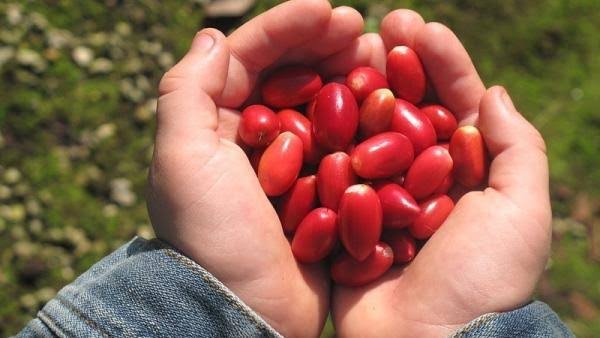
Fruit du miracle is one of nature’s most unusual tropical fruits, famous for temporarily making sour foods taste surprisingly sweet. Scientifically known as Synsepalum dulcificum, this small red berry comes from tropical West Africa. Its remarkable effect comes from a naturally occurring glycoprotein called miraculin. Instead of adding sugar to food, miraculin interacts with taste receptors, changing how the tongue experiences acidic flavors such as lemons, limes, grapefruit, and other sour foods.
Interest in fruit du miracle extends beyond its entertaining taste-changing effect. Food researchers have studied miraculin because of its unusual influence on taste perception, while gardeners enjoy cultivating the attractive evergreen shrub. The berry has also attracted people interested in reducing added sugar without completely giving up the sensation of sweetness. Understanding its history, science, uses, growing requirements, and limitations reveals why this tiny fruit continues to attract worldwide attention.
What Is Fruit Du Miracle?
Fruit du miracle is a small berry produced by Synsepalum dulcificum, an evergreen shrub belonging to the Sapotaceae family. The mature fruit is generally bright red and oval-shaped, with thin skin surrounding a layer of pulp and a relatively large seed. The berry itself does not taste intensely sweet. Instead, its fame comes from what happens to other foods after the pulp has coated the tongue.
The fruit is commonly called miracle fruit or miracle berry in English. These names describe its seemingly magical ability to alter taste perception, although the effect has a scientific explanation. Miraculin binds to sweet-taste receptors and becomes especially active under acidic conditions. As a result, something extremely sour can suddenly seem much sweeter, creating a memorable sensory experience without actually changing the food’s chemical sugar content.
History and Origin of Fruit Du Miracle
Fruit du miracle is native to tropical West Africa, where its taste-modifying properties were known long before the berry became an international curiosity. Historical accounts describe local use of the fruit before consuming sour foods and beverages. Its natural ability to change flavor made acidic foods more pleasant without requiring the addition of large quantities of conventional sweeteners.
Scientific interest eventually brought greater attention to the plant and its unusual properties. Researchers identified miraculin as the substance responsible for the berry’s taste-modifying action, helping explain an effect that once seemed mysterious. Today, Synsepalum dulcificum is grown outside its native range by specialty growers and tropical-fruit enthusiasts. Its unusual history connects traditional West African knowledge with modern research into flavor perception and food science.
How Does Fruit Du Miracle Change Taste?
The most fascinating feature of fruit du miracle is the way miraculin interacts with the human sense of taste. After someone eats the berry and spreads its pulp around the tongue, miraculin associates with sweet-taste receptors. Under ordinary conditions, it does not simply taste like a powerful sweetener. The dramatic effect becomes noticeable when acidic food enters the mouth and lowers the local pH.
Under acidic conditions, the interaction with those receptors produces a stronger sweet sensation. Consequently, lemons, limes, vinegar-based foods, and other tart ingredients may temporarily taste much sweeter than expected. The experience varies between individuals and gradually disappears as miraculin is cleared from the mouth. Importantly, the fruit changes perception rather than composition: a lemon remains acidic and does not suddenly acquire additional sugar.
Nutrition and Potential Benefits of Fruit Du Miracle
The nutritional appeal of fruit du miracle is often overshadowed by miraculin, its best-known natural component. The berry is consumed in relatively small quantities, so it should not be treated as a major source of everyday nutrients. Research into the fruit has examined its plant compounds and potential applications, but claims that it can prevent, cure, or treat diseases require much stronger clinical evidence.
One particularly interesting area is sugar reduction. Because miracle fruit can make acidic foods seem sweeter without actually adding table sugar, researchers have explored whether taste modification could help create more enjoyable lower-sugar foods. That possibility is different from claiming the berry directly lowers blood sugar or produces weight loss. Its strongest practical appeal is therefore its unusual sensory effect and possible role in food innovation.
Popular Uses of Fruit Du Miracle
Taste experiments are among the most popular uses for fruit du miracle. After eating the berry, people commonly sample lemon, lime, grapefruit, strawberries, plain yogurt, or other tart foods to experience the contrast. These activities are sometimes called flavor-tripping experiences because familiar foods can suddenly seem dramatically different while the effect remains active.
The fruit also interests chefs and food scientists exploring new ways to create sweetness without simply adding more sugar. Its distinctive properties may inspire desserts, beverages, and experimental dishes centered on natural flavor modification. However, miraculin does not remove calories, acidity, or other components already present in a food. It changes the perceived flavor, making accurate nutritional understanding important when experimenting with the berry.
Fruit Du Miracle vs Regular Sweet Fruits
Fruit du miracle works very differently from naturally sweet fruits such as mangoes, grapes, bananas, or ripe peaches. Those fruits taste sweet primarily because they contain naturally occurring sugars. Miracle fruit does not need to supply large quantities of sugar to produce its famous effect. Instead, miraculin influences sweet-taste receptors when the mouth encounters acidic conditions.
This distinction explains why describing miracle fruit simply as a natural sweetener can be misleading. Its most distinctive function is taste modification rather than direct sweetening. Eating it before a lemon can make the lemon seem sweeter, but the lemon remains chemically acidic. Understanding this difference helps consumers appreciate the berry without confusing a sensory effect with an actual nutritional change in the food being eaten.
How to Grow Fruit Du Miracle
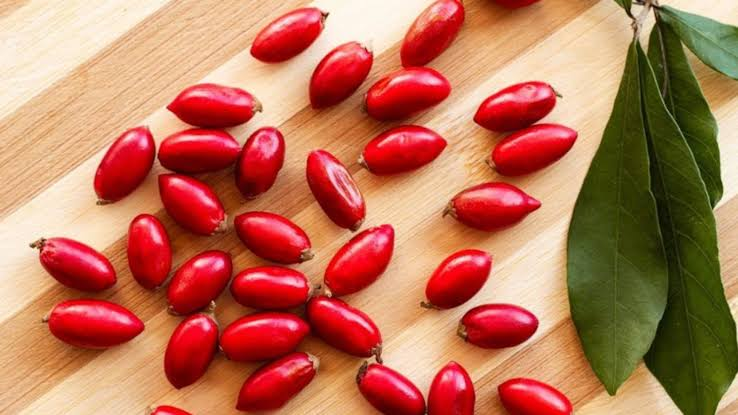
Gardeners interested in unusual tropical plants can grow fruit du miracle when they provide suitable conditions. Synsepalum dulcificum favors warmth, humidity, and acidic, well-drained growing media. Because the plant is sensitive to cold, gardeners in cooler parts of the United States commonly grow it in containers that can be moved indoors when temperatures drop. Consistent moisture is useful, but constantly waterlogged soil should be avoided.
Patience is equally important because miracle fruit is not necessarily a rapid producer. Growth and fruiting depend on plant age, propagation method, temperature, light, nutrition, and overall care. Maintaining acidic soil conditions is particularly important for healthy development. With appropriate care, the evergreen shrub can become both an ornamental plant and a source of distinctive red berries for gardeners interested in uncommon edible plants.
How to Eat and Store Fruit Du Miracle
Fresh fruit du miracle is typically eaten by removing or avoiding the seed and allowing the pulp to coat the tongue thoroughly. Afterward, a person can sample small portions of acidic foods and observe how their perceived flavors change. Lemons and limes are popular choices, although excessive consumption of acidic foods should still be avoided because their acidity remains unchanged despite tasting sweeter.
Fresh miracle berries are delicate, so appropriate storage helps maintain their quality. Depending on how they are obtained, refrigeration or freezing may be used for short- or longer-term storage. Miracle fruit is also available in processed forms in some markets. Consumers should read product labels carefully because ingredients, processing methods, and serving directions can vary considerably between fresh berries and manufactured miracle-fruit products.
Safety and Important Considerations
Fruit du miracle is primarily valued as a food and taste-modifying experience, but its unusual effect can create an important misunderstanding. Sour foods may no longer taste strongly acidic after eating the berry, yet their acidity remains present. Consuming excessive amounts of lemon juice, vinegar, or similarly acidic foods could therefore still irritate the mouth or digestive system and potentially contribute to tooth enamel erosion.
People with allergies, dietary restrictions, or medical conditions should also avoid assuming that altered taste means altered nutritional content. Miracle fruit does not remove carbohydrates, acids, allergens, or other substances from foods. Anyone using a medically prescribed diet should continue following professional dietary guidance. Sensible portions allow people to explore the berry’s unusual properties without treating its sensory effect as a medical benefit.
Why Fruit Du Miracle Is So Fascinating
Fruit du miracle demonstrates how dramatically human taste can be influenced by a single naturally occurring protein. A familiar slice of lemon can provide a completely different sensory experience after the berry is eaten, even though the lemon itself has not changed. That contrast makes miracle fruit interesting to scientists studying taste receptors and equally appealing to curious consumers seeking unusual culinary experiences.
Its appeal also reflects broader interest in reducing added sugar and discovering new food technologies. Miraculin may offer researchers useful insights into how sweetness can be perceived without relying exclusively on conventional sugars. Although more research is needed before broad health conclusions can be made, the berry remains an intriguing example of how plants can influence human senses in unexpected and scientifically explainable ways.
Conclusion
Fruit du miracle is much more than an unusual tropical berry. Native to West Africa, Synsepalum dulcificum contains miraculin, a protein capable of temporarily changing how acidic foods are perceived. This remarkable interaction can make lemons, limes, and other sour ingredients seem sweet without actually increasing their sugar content, explaining why the fruit has attracted attention from scientists, gardeners, chefs, and adventurous food lovers.
From traditional use to modern flavor research, fruit du miracle provides an extraordinary example of the relationship between plants and human taste. Its potential role in lower-sugar food experiences is interesting, but its effects should not be confused with proven medical benefits. Used sensibly, the miracle berry offers an entertaining and educational way to discover just how flexible the human sense of taste can be.
Frequently Asked Questions
What is fruit du miracle?
Fruit du miracle is a tropical berry from West Africa that can make sour foods taste sweet because of the miraculin protein.
How does fruit du miracle work?
It changes how taste receptors respond to acidic foods, creating a temporary sweet taste without adding sugar.
Is fruit du miracle safe to eat?
Yes, fruit du miracle is generally safe for most people when consumed in normal amounts.
Where does fruit du miracle come from?
It is native to West Africa and grows on the Synsepalum dulcificum plant.
How long does the miracle fruit effect last?
The taste-changing effect usually lasts around 30 minutes to a few hours, depending on the person.
You May Also Read: Kalamazoo Tornado